
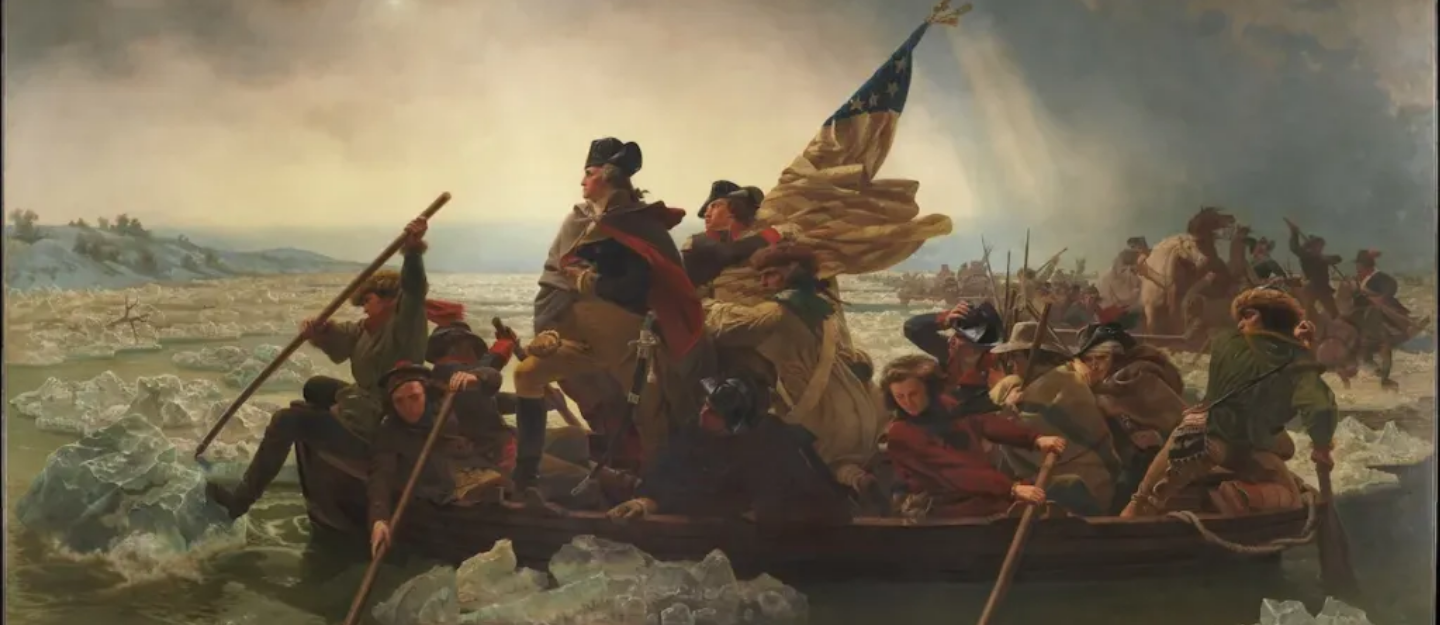
The American Revolution has long been accorded a sacred place in the narrative of the United States. In today’s fast-moving world, though, historical narratives can easily come across as distant or disconnected from modern audiences.
That is why this PBS series about the American Revolution has been such a powerful breath of fresh air: it takes thoughtful storytelling, compelling visuals, and an emotionally textured narrative and applies these to a cornerstone in American history to make something vibrant, relevant, and profoundly engaging. Rather than a straightforward reenactment, PBS approaches the Revolution from a modern perspective.
It looks at the humanity behind the events—ordinary people, overlooked communities, complex motivations, and the raw emotions that shaped the fight for independence. This modern retelling will resonate across generations: from students who are studying history for the first time to adults rediscovering the stories that built the nation.
A Fresh Perspective on a Classic Tale
The American Revolution is one of the best-documented periods in U.S. history, but to retell it for today requires something more than the restatement of facts. PBS succeeds in giving the narrative emotional depth and cinematic style. The series presents the Revolution not just as a political event, but as a deeply human struggle.
Instead of a distinct focus on famous military leaders, lesser-known individuals whose voices contributed in unique ways are highlighted. By weaving farmers, women, immigrants, enslaved people, and young adults into a broader tapestry, the complexity and contradictions of the Revolution come alive.
Why Modern Retellings Matter Today
History isn’t about memorizing dates and battles; it is about how societies evolve, why people make certain decisions, and how those decisions ripple into the present. A modern retelling like the PBS American Revolution series helps viewers draw those connections effortlessly.
Historical storytelling becomes all the more critical in an age full of misinformation and oversimplified, black-and-white narratives. As audiences witness nuanced context, balanced perspectives, and evidence-based storytelling, they begin to get a clearer picture of how the country came to be—and what lessons still apply now.
Cinematic visuals that bring history alive.
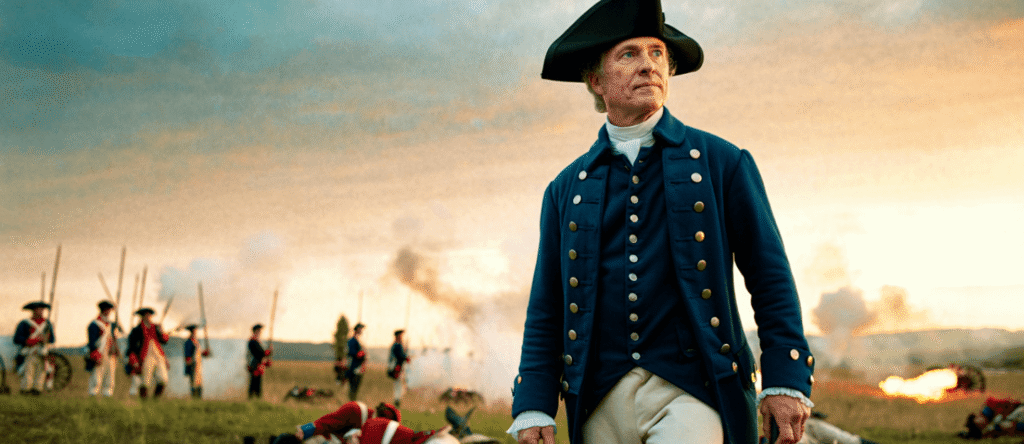
One of the most striking aspects of the PBS retelling of the American Revolution is its cinematic quality. The drama, interviews, animation, and narration blend together flawlessly. Even those who typically don’t like history-based documentaries are pulled into the pace and mood of each episode.
The lighting, costuming, music, and attention to historical detail place viewers in a world that seems real but never overbearing. PBS strikes a fine balance between education and entertainment: one learns through a series of engaging scenes rather than dry lectures.
It’s this form of visual storytelling that bridges the gap between past and present. Viewers feel as though they can be transported to the 18th century while being presented with a production style better fitted to modern tastes.
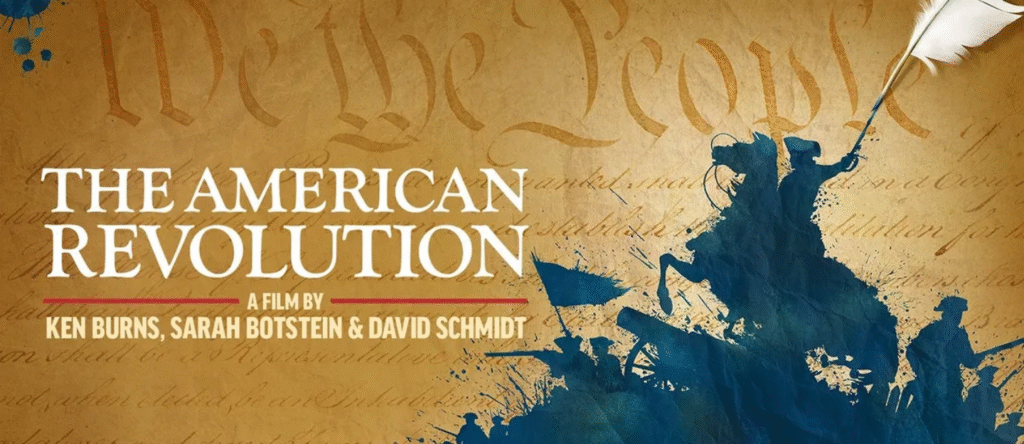
The Human Stories Behind the Revolution
This series is not afraid to confront the era’s emotional complexity head-on. However, textbook versions of the Revolution often celebrate unity and heroism; in fact, this is altogether more layered: families were divided, communities were torn apart, and terrible sacrifices were made on both sides, deeply affecting the course of lives.
PBS mines these complexities by concentrating on individual characters, some historic, others composite representations of real populations. These stories remind viewers that the Revolution wasn’t inevitable. It was the result of countless bold decisions made by people facing uncertainty and danger.
How Humor and Cultural Commentary Renew Interest in History
Figures like John Oliver have helped spur a new popular interest in American history, including topics connected to the Revolution. Oliver’s comedic approach to political and historical issues introduces audiences to complex subjects in a way that feels both accessible and entertaining.
While he does not focus solely on the Revolution, his style of blending humor with factual storytelling complements PBS’s mission: to make history approachable, relevant, and engaging for modern viewers.
When popular cultural voices shine light on a historical topic, the documentaries and educational series, along with public media, flourish. Those who laugh at a satirical segment are often inspired to learn more by seeking out trusted sources like PBS.
Educational value for students and teachers
One of the strengths of the American Revolution series on PBS is that it is suitable for educational settings. Teachers often take advantage of episodes or segments as part of class discussions, using those to launch critical thinking and writing assignments or other interactive projects.
The series helps students to:
- Visualize events that are difficult to picture from textbooks alone
- Know multiple perspectives-including ones that were previously underrepresented
- Engage with primary sources and historical analysis.
- Connect historical themes with modern issues
It is easier for students to stay focused with clarity, pacing, and emotional resonance. Students who can’t usually take classic historical texts often show quite a different response when an accessible storytelling approach is used.
A Balanced Narrative for Modern America
In the current political climate, history can be made to seem either black-and-white or divisive. The PBS American Revolution series stands out because it presents a balanced narrative. It acknowledges the ideals that drove the Revolution while also examining the contradictions and injustices of the period.
Issues addressed by this series include:
- The role of enslaved people
- Indigenous perspectives
- Women’s contributions
- Economic and political tensions
- Global influences beyond the colonies
It does not belittle the importance of the Revolution; instead, it enhances it. By exploring these complexities honestly, PBS gives viewers a truer and more inclusive understanding of what the Revolution really represented.
Why contemporary audiences connect so deeply with this retelling:
Several key elements make this PBS American Revolution series resonate for the modern viewer:
1. Emotional resonance
The concentration on human stories creates an emotional bridge that links the viewers to the story being told.
2. Contemporary relevance
Themes like freedom, identity, rights, and representation have meaning even today.
3. Inclusive perspectives
Voices from a broader cast reflect the diversity in experiences that shaped the era.
4. Strong visual storytelling
High-quality production maintains the series’ interest from beginning to end.
5. Connection to modern cultural voices
Commentators like John Oliver help to generate cultural momentum around historical topics, making documentaries feel more timely. Together, these elements create a series that is meaningful rather than simply educational.
A Retelling That Honors the Past While Inspiring the Present
The PBS American Revolution series does more than recount history. It invites viewers to see the Revolutionary era as a living story-a foundation that continues to influence the nation today. Its blend of accuracy, emotion, and modern perspective helps people understand not just what happened, but why it happened and how its consequences still echo in current events.
By honoring both the triumphs and tensions of the period, the series offers a richer understanding of the Revolution’s legacy. It reminds viewers that history is made up of real people, real choices, and real hopes.
Final Thoughts
The retelling of the American Revolution on PBS is more than a documentary; it’s a cultural resource, a teaching tool, and an emotional journey. Through immersive visuals, well-balanced perspectives, and relatable storytelling, this film brings to life one of America’s most defining eras.
Combined with the broader cultural movement toward historical engagement-including the rise of comedic commentary from voices like John Oliver-the series plays a crucial role in modern audiences reconnecting with the past.
Above all, for those in need of a deeper understanding of the American Revolution-or simply for a fresh and compelling way to experience history-this modern retelling stands out as one of the most powerful and accessible interpretations available today.