

Few names echo through the halls of rock history like Robert Plant. As the legendary frontman of Led Zeppelin, Plant didn’t just sing-he roared, whispered, and mesmerized audiences across the world. His golden mane, piercing stage presence, and unmatched vocal range made him a symbol of the 1970s rock revolution. But Robert Plant’s story involves much more than the mythic stage lights of Led Zeppelin; his artistry, exploration, and endless reinvention made him one of the most dynamic figures in music.
While rock has evolved through generations, his influence continues to resound in the sound of countless artists-even in the thunderous riffs of modern metal bands like Metallica. This is the story of Robert Plant, the man, the myth, and the voice that defined the Golden Era of Rock.
The Birth of a Rock Legend
Born in 1948 in West Bromwich, England, Robert Plant grew up surrounded by the early sparks of British rhythm and blues. His fascination with American blues artists like Muddy Waters, Robert Johnson, and Howlin’ Wolf shaped his early vocal style in a raw, emotive, and electric way. When he teamed up with guitarist Jimmy Page, bassist John Paul Jones, and drummer John Bonham in 1968, Led Zeppelin was born-a band that would change the course of rock music forever.
From the debut album Led Zeppelin in 1969 to the monumental Physical Graffiti and Houses of the Holy, the group became synonymous with musical innovation. Plant’s voice, both ethereal and primal, became an instrument unto itself. Everything from “Whole Lotta Love” to “Stairway to Heaven,” to “Kashmir” demonstrated his range, passion, and poetic lyricism. His delivery, for the most part, was fearless: soulful blues blended with mystical folk and roaring hard rock. Robert Plant was more than a singer; he personified the untamed spirit of rock.
The Sound That Shaped Generations
Led Zeppelin’s sound was revolutionary — heavy, melodic, and deeply emotional. And at the heart of that sound was Robert Plant. His vocals often soared above the instrumental chaos, a siren call that combined sensual and spiritual in some sort of Gordian knot. In songs like Ramble On and Immigrant Song, Plant’s voice became an instrument both of storytelling and transcendence.
By the 1970s, rock music had begun to enter its golden age. Bands began experimenting with soundscapes, telling stories, and pushing the bounds of production. Plant’s fascination with mythology and mysticism infused Zeppelin’s lyrics with depth and imagination. While contemporaries such as Pink Floyd were off exploring the psychedelic and The Rolling Stones were perfecting the blues, Led Zeppelin — led by Plant’s voice — created something uniquely their own: the sound of epic rock mythology.
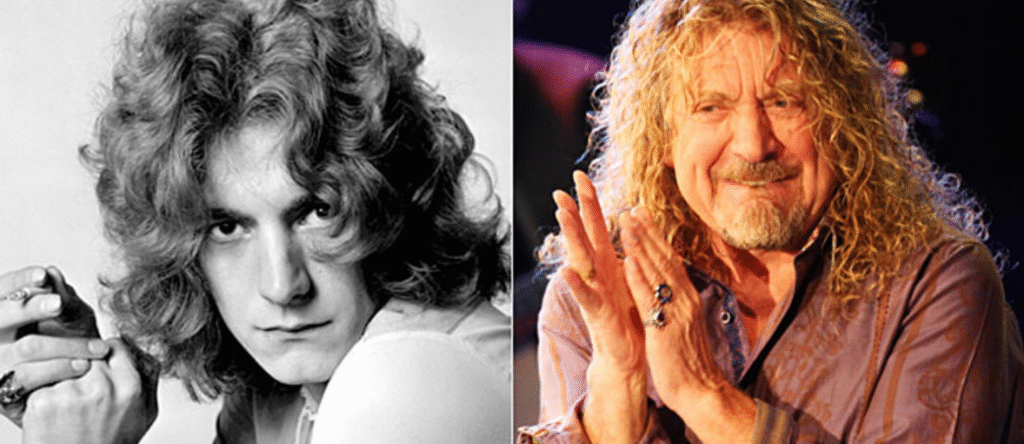
Robert Plant’s Stage Persona: The Golden God
To see Robert Plant perform in the 1970s was to witness unadulterated charisma: shirt unbuttoned, curls flying, microphone held high as he commanded every stage with hypnotic energy. His presence was magnetic, not just because of how he looked but because of how much emotionally he connected with his audience. Plant didn’t just sing to the people; he sang with them.
Each concert felt like a ritual: a shared moment of freedom and rebellion. The media called him “The Golden God,” a name that suited his shining countenance and charisma. But beneath the bravado, he was a truly reflective artist, always looking for ways to grow beyond the label of rock star.
The End of Zeppelin and the Search for Reinvention
The tragic death of drummer John Bonham in 1980 brought Led Zeppelin to an abrupt end. For Plant, it was both a personal and an artistic turning point. Instead of pursuing the Zeppelin sound, he decided to take a different route. His solo career, in the 1980s and on, would be one of a man in constant search for new inspirations. Albums like Pictures at Eleven and The Principle of Moments unveiled a more experimental side of Robert Plant, incorporating elements of synth, world music, and ambient textures.
Songs like Big Log and In the Mood showcased his softer, introspective tone. Plant’s evolution proved his artistry wasn’t confined to one era or style. While many other rock icons have been relegated to nostalgia, he kept moving forward and further redefined what it means to be a rock legend.
Influence on Modern Music and Metal Giants like Metallica
The impact of Robert Plant didn’t end with the 1970s: his confident attitude to singing and songwriting paved the way for numerous artists in many genres. Even heavy metal pioneers like Metallica drew upon the power and intensity of Led Zeppelin’s sound. While Metallica’s style is darker and heavier, the band’s appreciation for dynamic storytelling, intricate arrangements, and raw emotion echoes Zeppelin’s influence. Members of Metallica have often cited Led Zeppelin as a foundational inspiration.
The thunder of Bonham’s drums, Page’s riffs, and the manner in which Plant wailed all combined to form the DNA of modern metal. The theatricality and emotive delivery from Plant became a model for generations of rock and heavy metal vocalists to follow, proving true power lies not just in volume but rather authenticity and connection.
The Timelessness of Robert Plant’s Voice
Even after more than five decades in music, Robert Plant’s voice remains one of the most distinctive in rock. While age has deepened its tone, it hasn’t dulled its magic. In collaborations such as Raising Sand with Alison Krauss, the tender, haunting aspect of Plant’s artistry revealed itself. A mix of Americana, folk, and blues, the album went on to attain critical acclaim and a Grammy for Album of the Year.
That Plant doesn’t rest on past laurels makes his career all the more remarkable as he has continually explored-from the Band of Joy project to the solo tours incorporating Zeppelin classics into newer material. He once said, “I can’t be a jukebox for my past.” That sentiment perfectly encapsulates his ceaseless creativity and forward-thinking spirit.
Robert Plant’s Legacy in the Golden Era of Rock
The Golden Era of Rock was defined by experimentation, rebellion, and the search for transcendence — and Robert Plant stood at its center. He redefined what a rock vocalist could be: not just a performer, but a storyteller; not just a singer, but a shamanic figure channeling emotion through sound. While many rock icons have come and gone,
Plant’s legacy remains untouchable because of his commitment to authenticity: never to follow the trends, never to cling to fame, but to be constantly open toward new musical landscapes. From anthemic stadium rock to quiet folk collaborations, Robert Plant’s career is a tribute to artistic integrity and change. His voice — once the roar of a generation — still resonates with passion, wisdom, and timeless beauty.
Robert Plant and the Future of Rock
With younger generations discovering what Led Zeppelin had to offer and going back to classic rock, Robert Plant’s influence continues to grow. His ability to connect past and present displays how great music is timeless. Artists from indie rock to heavy metal still draw from the well he helped fill. And in a time when authenticity feels rare, Plant’s journey reminds us that true artistry is about evolution, not imitation.
Though the golden era might be over and gone, Robert Plant’s spirit still holds its flame alive. His story is much more than history but an ongoing symphony of passion, curiosity, and musical genius. Whether through the haunting, echoing notes of Stairway to Heaven or through the harmonies of Raising Sand, Robert Plant’s voice will always stand as one of rock’s greatest treasures.
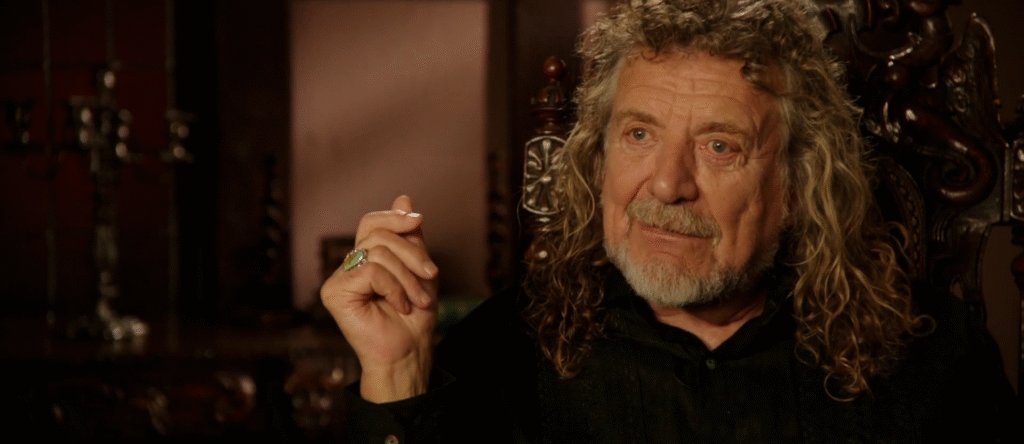
Final Thoughts: The Immortal Voice of Rock
Robert Plant’s transformation from the smoky clubs of Birmingham to the world’s largest arenas is a story of the power of creativity and reinvention. He is more than a frontman; he’s a visionary who helped shape the sound of an era-and in doing so, changed the course of music forever.
His connection with such artists as Metallica really shows how far-reaching his influence truly is-genre-crossing, generational, stylistic. Robert Plant is the living embodiment of rock’s golden age: the voice that still inspires, that still evolves, and that still reminds us why music matters. His story is not just the story of Led Zeppelin. It’s the story of rock itself — daring, powerful, and endlessly alive.