
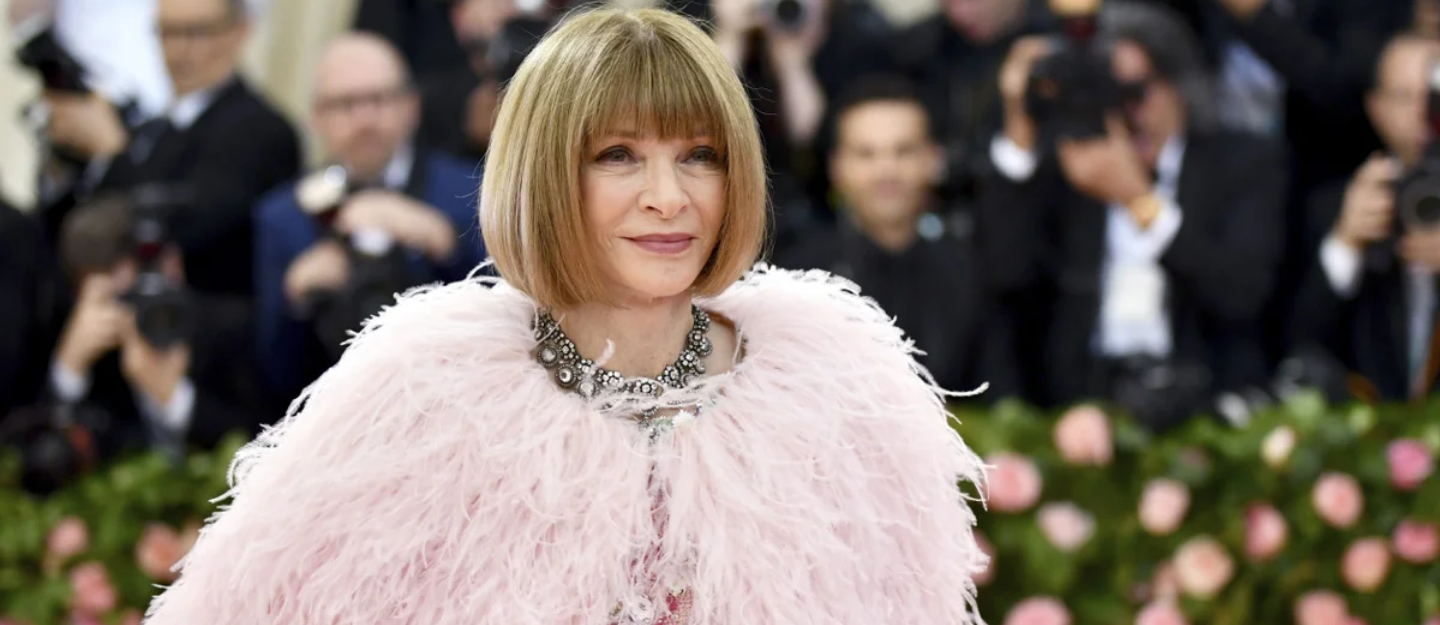
When it comes to the world of fashion, few names bear as much weight as Anna Wintour. For decades, Wintour has commanded the pages of Vogue, shaping trends, launching careers, and becoming a symbol herself of authority in a mercurial industry. Her power certainly doesn’t stop there, influencing designers, models, and celebrities beyond the magazine covers.
In this blog, we examine how Anna Wintour remains one of the strongest forces within fashion, her correlation with up-and-coming stars such as Leighton Meester, and how her authority fits into a fashion world that is in constant change.
The Rise of Anna Wintour
Anna Wintour’s rise to the top of fashion started early in the 1970s. Born in London in 1949, she quickly showed a keen sense for style and the knack for forecasting trends. After working on other publications, including Harper’s & Queen and New York, she joined Vogue in 1983. By 1988, she became the magazine’s editor-in-chief, a position she still holds to date.
Her vision reimagined Vogue from merely a fashion magazine to a cultural touchstone. Wintour’s style mixed a deep sense of tradition and elegance with an instinct for finding fresh talent. She developed relationships with designers, photographers, and models that enabled her to influence the fashion industry globally.
Setting Trends and Shaping the Industry
But perhaps her biggest influence is in setting trends: which styles and designers are worth paying attention to. She does it with the pages of Vogue, with runway coverage, with what she wears and where she appears. During New York Fashion Week, those designers she endorses happen to enjoy much more visibility and some commercial success.
Wintour’s seal of approval is not merely an opinion; it may be the deciding factor in making or breaking careers. For example, she has been credited with making such designers as Alexander McQueen, Marc Jacobs, and Tom Ford household names. Her keen eye extends to models and celebrities, too, often defining who shall be the “face of fashion” in any given era.
Anna Wintour and Celebrity Influence
Fashion and celebrity have become increasingly intertwined, and Wintour has been at the very forefront of such a movement. Celebrities such as Leighton Meester have benefited from her influence. As a style icon in her own right, Meester’s appearances on red carpets and at events have often caught Wintour’s attention, signaling approval within elite fashion circles.
This translates to real-life outcomes: a celebrity on the cover of Vogue or walking the red carpet at the Met Gala may receive increased awareness, fresh branding opportunities, and relevant momentum within the culture. Wintour’s knack for identifying and amplifying talent means that she’ll remain a relevant gatekeeper in both fashion and celebrity culture.
Leadership Style and Editorial Vision
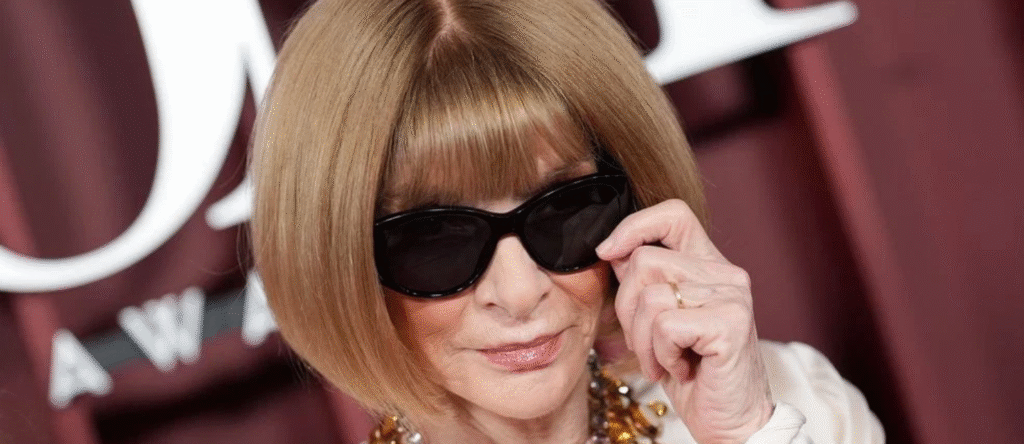
Anna Wintour is famously disciplined and meticulous in her leadership style. With her signature sunglasses and stoic face, she commands respect from her workforce while embracing innovation. Her vision in editing balances out the commercial appeal with artistic credibility for Vogue, so that it remains both aspirational and influential.
She has honed a reputation for decisiveness. From approving cover stars and directing fashion shoots, to commissioning designers for big features, Wintour is hands-on in every way that counts. This editorial rigour has enabled Vogue to maintain its cultural relevance for decades, as the media landscape dramatically shifts towards digital.
Navigating a Changing Fashion Landscape
Fashion never stands still, and neither does Wintour’s influence. Social media, digital marketing, and influencer culture have shifted how trends are set and who holds power. Yet, Wintour has adapted. Under her leadership, Vogue has embraced online content, Instagram campaigns, and collaborations with digital influencers to ensure the magazine remains a leader in the conversation about fashion. Her ability to balance tradition with innovation is a key reason she remains influential. Few editors have struggled more than others with the transition from print to digital, while Wintour marries both worlds with ease, remaining a tastemaker for several generations.
The Met Gala: A Cultural Phenomenon
No discussion of Anna Wintour’s influence is complete without mentioning the Met Gala: often called the “fashion Olympics,” an annual event showcasing artistry, celebrity, and media attention. Wintour has acted as chairwoman, curating themes, choosing guests, and setting the narrative for each gala. Her role ensures that the Met Gala is not simply a social event, but a defining moment for fashion culture.
Celebrities like Leighton Meester get unparalleled exposure alongside top designers, and the themes often dictate upcoming collections and trend directions. The gala perhaps epitomizes Wintour’s singular position: that of a leader who can meld artistry, commerce, and celebrity into one influential platform.
Mentorship and Talent Recognition
Beyond trendsetting, Wintour’s influence stretches to the mentorship of budding talents. Designers, photographers, and writers more often than not mention her as a critical figure in their careers. She develops the next generation of fashion leaders by identifying their potential and providing them with opportunities for exposure.
Her mentorship extends to A-list celebrities that show fashion acumen: Leighton Meester, known for her chic and versatile fashion sense, benefits from being recognized in Wintour’s orbit. The acknowledgment of their power in the industry often translates into many opportunities that span from endorsements to magazine features, even to fashion lines.
Criticism and Controversy
Not even the powerful Anna Wintour is beyond reproach. Some feel that she is too unforgiving in her standards or that, in certain settings, her power stifles creativity. Others talk about how exclusive the fashion elite she represents is, indicating that the gatekeeping involved only enhances inequalities within the industry.
But the fact that Wintour has braved such critiques yet commanded authority shows her resilience. She adapts to change without losing those core values that define her presence in fashion. By evolving with the times while retaining that distinct editorial voice, she certainly preserves her influence.
Legacy and Lasting Impact
Anna Wintour’s legacy is threefold. She is a trendsetter, mentor, and cultural icon whose decisions have a ripple effect in the world of fashion. Her impact on magazines, celebrities like Leighton Meester, and on the fashion world at large cements her status as a historic figure in style and culture.
Where the industry is constantly in flux, Wintour proves that authority emanates not just from personal taste but also from the ability to adapt, mentor, and shape cultural narratives. Her perpetual presence ensures she is not just a participant in fashion but a defining force whose impact will be studied and celebrated for decades to come.
Conclusion
In the fashion world that seems to change at an incredible pace, there really isn’t anyone like Anna Wintour. Through her role at Vogue to mentoring celebrities and designers, she continues to shape trends, amplify talent, and define cultural narratives. Figures like Leighton Meester epitomize the reach of her influence, a real symbiosis between fashion authority and celebrity.
Ultimately, Wintour’s career shows that true power in fashion is not just about aesthetics, but rather about vision, leadership, and the capacity for evolution. In an omnichannel environment of ceaseless novelty and digital disruption, she remains timeless-the icon of style, authority, and influence.