
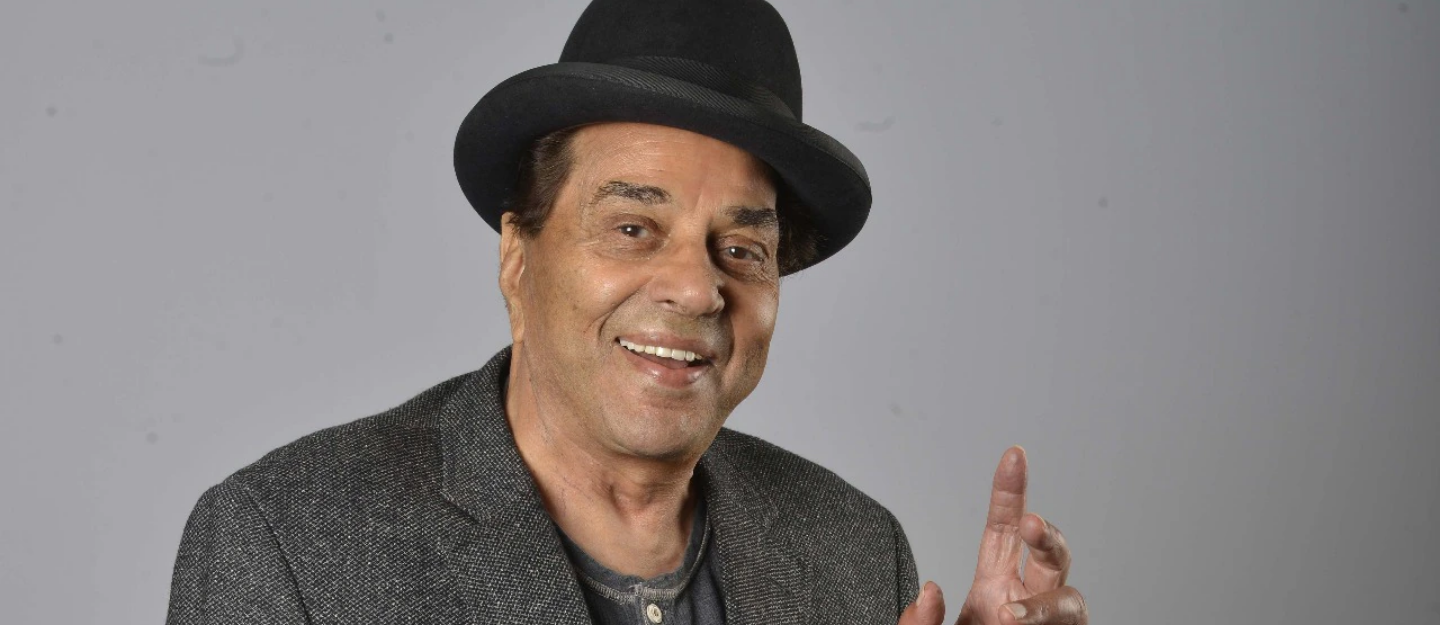
Few names evoke as much admiration, nostalgia, and respect in Bollywood as Dharmendra. Lovingly referred to as the “He-Man of Indian Cinema,” the career of Dharmendra is a saga that has stretched for over six decades, replete with unforgettable performances, immense charm, and an aura that defined masculinity on the silver screen.
From romantic hero to action superstar, from a humble beginning to becoming one of the most beloved icons of Indian cinema, his journey remains inspirational for generations of film enthusiasts.
The Beginning of a Superstar in Disguise
Dharmendra Deol was born on December 8, 1935, in Nasrali, Punjab, into an humble home. Prior to his stardom, he lived like any other village boy: hard work and big dreams. His pure good looks and quiet confidence made him stand out, even in his teenage years.
The turning point came when he participated in a talent contest organized by Filmfare in the late 1950s, which marked the start of his cinematic journey. He came to Mumbai in hopes of fulfilling his dream and started experiencing all the hurdles a fresh face experiences in Bollywood. However, his sincerity and determination were unbeaten.
And soon, all those continuous efforts finally clicked, leading him to his first film, “Dil Bhi Tera Hum Bhi Tere” (1960). Though this film did not cause ripples commercially, it opened the pathway to an illustrious career ahead that would bring a change in Bollywood.
The Rise of Dharmendra: A New Kind of Hero
The 1960s heralded the arrival of a new star in the celluloid firmament: Dharmendra, who became an overnight sensation—the “profile” face of romance. Not a tragic hero like those of the 1950s, he would radiate a refreshing combination of warmth, charm, and masculinity.
His emotional depth and natural acting style were well brought out in films like “Bandini” (1963), “Anpadh” (1962), and “Haqeeqat” (1964). But it was during “Phool Aur Patthar” that he gained the status of a national sensation in 1966. He was hard as an oak; yet, he had a heart of gold.
Strong and silent, rugged and handsome, he became the archetypal action hero. The film not only established him as a star but also introduced Indian audiences to a new definition of heroism—bravery combined with sensitivity.
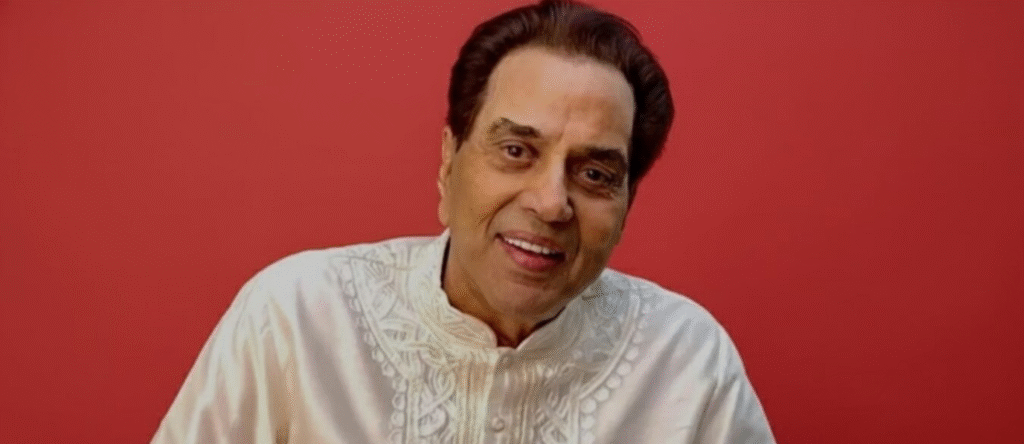
The Golden Era: Dharmendra’s Dominance in the 1970s
The 1970s were really the defining years in the career of Dharmendra. It was during that decade he gave some of his biggest hits and most iconic performances. From action-packed thrillers to lighthearted comedies, his screen presence dominated the era.
Unforgettable Films and Performances
“Sholay” (1975): No talk on Dharmendra gets over without the mention of Sholay. The character of Veeru in this film-the jovial yet faithful and brave friend-is embedded in Indian film history. The chemistry between Veeru and Jai (Amitabh Bachchan) turned into a legend, while Dharmendra infused comedy and charm into that character so effortlessly.
- “Yaadon Ki Baaraat” (1973): A classic that brought emotion, action, and music all together, this film showcased Dharmendra blending style with substance.
- “Seeta Aur Geeta” (1972): Opposite Hema Malini, Dharmendra revealed the rare blend of humor and heroism, which went on to become one of Bollywood’s most memorable on-screen pairs.
- “Chupke Chupke” (1975): This comedy of errors by Hrishikesh Mukherjee allowed Dharmendra to showcase his impeccable comic timing, proving that his talent went far beyond muscles and melodrama.
These films therefore cemented his image as one of the most complete actors Bollywood had ever seen. Whether as the rugged man of action or the charming lover, Dharmendra ruled the big screen with effortless charisma.
The Iconic “He-Man” of Bollywood
In an industry that celebrates larger-than-life heroes, Dharmendra redefined masculinity. His well-built physique, confident demeanor, and powerful voice made him the original He-Man of Bollywood-a title that fans still associate him with.
But Dharmendra was never all about brawn. What really made him special was the emotional vulnerability he brought to his characters. Behind every tough exterior, there was always a tender heart—a reflection of his real-life persona. This balance made him relatable, admired, and deeply loved.
A Legendary On-Screen Partnership: Dharmendra and Hema Malini
Standing tall amongst the iconic love stories, both on and off screen, of Bollywood are Dharmendra and Hema Malini. They sent sparks flying with their sizzling on-screen chemistry in films like “Dream Girl”, “Sholay”, “Jugnu”, and “Sita Aur Geeta.” Together, they were a magic combination-he the virile, charming hero and she the lithe, graceful, dream girl of Bollywood.
Their reel life romance soon materialized in real life, and they became one of the greatest loves which Indian filmdom ever witnessed. Together, the two epitomized timeless love, mutual regard, and enduring companionship.
The Multi-Generational Legacy of Dharmendra
Few actors have managed to stand the test of time and remain relevant across generations like Dharmendra. His family has proudly and successfully carried on his mantle. His elder son Sunny Deol inherited his father’s intensity, going on to become one of the leading action stars of the 1980s and 1990s.
Bobby Deol has been able to retain appreciation in contemporary Bollywood with his charming presence and emotional performances. The two young guns, Karan Deol and Rajveer Deol, are the continuation of the Deol dynasty in Indian cinema. The influence of Dharmendra on his sons’ careers is beyond name and fame–it is about work ethic, humility, and an unbreakable bond with the audience.
Dharmendra in Later Years: Grace, Dignity, and Timeless Charm
Even decades later, Dharmendra never lost his spark. His roles in films like “Apne” (2007), “Yamla Pagla Deewana” (2011), and its sequels brought him together on screen again with his sons, creating nostalgic magic for fans. That he has managed to stay relevant through the changing mores of the film industry speaks volumes of his sustained appeal.
On talk shows, award functions, and even social networking, Dharmendra exudes bonhomie and a humility very few stars of his generation do. His recent appearances have reminded audiences that true stardom lies not in fame alone but in grace, simplicity, and genuine connectivity with fans.
Contribution of Dharmendra to Indian Cinema
Apart from acting, Dharmendra’s immense contribution to Bollywood made him turn producer, too, with his home banner Vijayta Films. Under this banner are two blockbusters: “Betaab” (1983) and “Ghayal” (1990). Each of these films not only introduces a fresh face but has also set a high standard for quality storytelling in commercial cinema.
Over the years, Dharmendra has been awarded many awards and accolades for his exceptional contribution toward Indian cinema, but his biggest reward has remained the love and respect of millions of fans throughout the world.
The Man Behind the Legend
Besides being a superstar, Dharmendra is known for his simplicity and emotional frankness. Often, he has talked about his humble beginnings, the love for farming, and his deep attachment to his roots in Punjab.
Behind all that glamour, he is still a man who loves family, friendship, and the little things in life. His humility, sense of humor, and kindness continue to make him a role model, not only for actors but also for anyone with big dreams and working hard to make it happen.
The Immortal Charisma of Dharmendra
With Bollywood constantly changing, the significance of Dharmendra has remained timeless. As time goes on, so does the appreciation for his movies by old and new fans alike. His journey is a lesson in commitment and endurance for any upcoming actor.
He proved that a true legend is not about awards and recognition but about the connection he had with his audiences, a connection that time can never dull. Till today, his dialogues, his songs, his screen moments are remembered and quoted by people, which goes to prove that he is not merely a star; he is an emotion for generations of movie lovers.
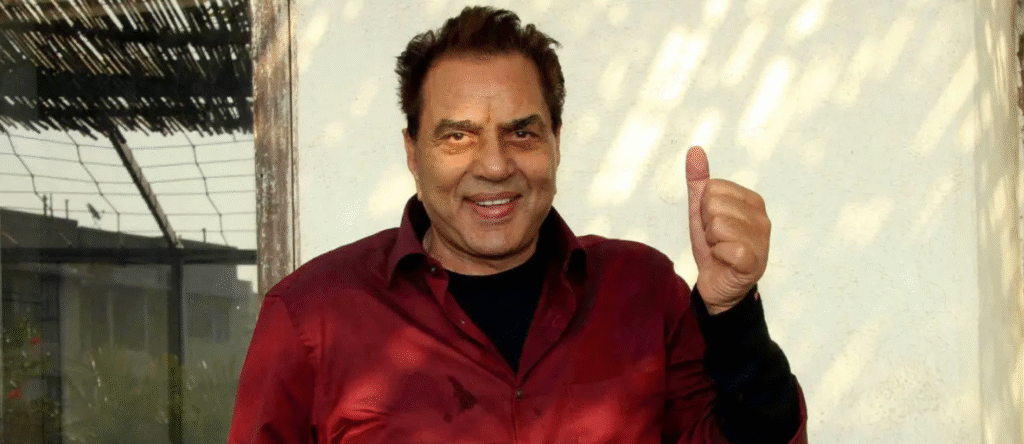
Conclusion
Dharmendra represents the quintessential golden era of Indian cinema, oozing eternal charm, talent, and humility. He stands as an eternal symbol of Bollywood’s heart and soul, touching hearts even today for being so real: a great piece of proof that legends are not made overnight, but forged through passion, perseverance, and pure love for their craft.
From Phool Aur Patthar to Sholay to Apne, the journey of Dharmendra reflects not just the story of a man who conquered Bollywood but one who became an inseparable part of India’s cultural heritage.