
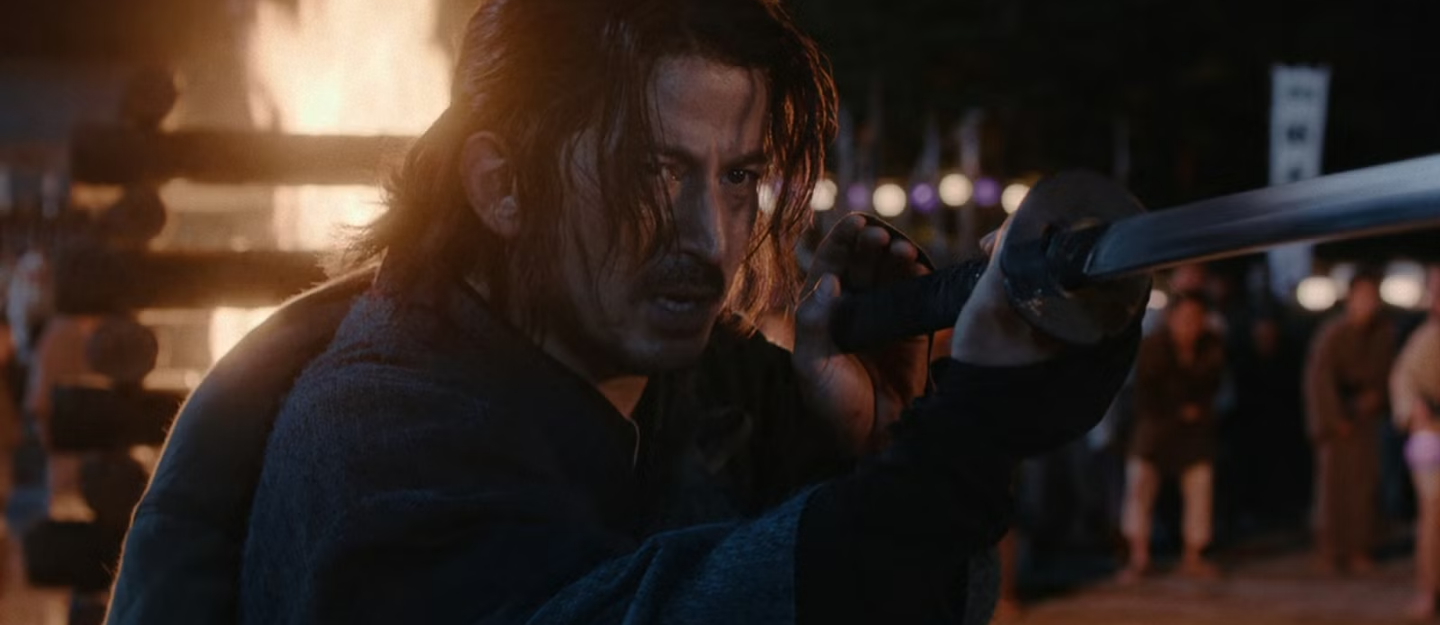
Samurai stories have captured audiences worldwide for centuries. From Kurosawa’s masterpieces to Hollywood re-envisionings, the appeal of the samurai spirit has endured, as it is grounded in some of the most universal questions of all: honor, duty, loyalty, conflict, and identity.
As our cinema continues to evolve, these archetypes take on new form in the “Last Samurai Standing,” where lone warriors navigate worlds in which little resembles the boundaries within which they had been trained for-one man against it all, much like in the classical heroic paradigm of samurai films. Although the action of samurai dramas traditionally unfolds in feudal Japan, today’s filmmakers find creative ways to adapt these values into contemporary or hybrid settings.
But most surprisingly, even works like The Sopranos echo elements of samurai storytelling, grappling with a similar tension between tradition and modernity. This exploration reveals how samurai culture continues to influence global storytelling, transcending genre and geography.
The Enduring Appeal of the Samurai Archetype
The samurai archetype endures because it represents something quintessentially human: the struggle with flux. Historically, the samurai worked within rigid social codes, lived regimented lives, and trained in narrowly defined roles. Cinema has taken up this quality and dramatized it, often presenting mythical figures forced to make a choice between tradition and personal truth.
The notion of the “Last Samurai Standing” amplifies these characteristics even further. This character is often one of the few remaining practitioners of an ancient discipline, tasked with preserving their values in a world that has moved on. Their journey is usually solitary but deep, filled with introspection, conflict, and personal sacrifice.
How Modern Filmmakers Reinterpret Samurai Ideals
While the classic samurai films focused on swordplay, feudal politics, and clan honor, modern adaptations recast the samurai ethos in a variety of compelling ways:
1. Transposed Settings
Instead of medieval Japanese landscapes, modern samurai-themed films may take place in futuristic dystopias, urban jungles, or hybrid worlds. These new environments allow filmmakers to reintroduce timeless values in unfamiliar contexts.
2. Inner Turmoil Against External Fight
While samurai narratives used to focus on strategy and combat, most modern films have largely moved toward emotional and psychological tension. The “Last Samurai Standing” figure is confronted by inner demons, moral ambiguity, and social displacement.
3. Blended Cultural Influences
The modern storyteller can incorporate global philosophies, Western genres, or even crime family dynamics to create new reinterpretations of samurai honor codes.
4. Revised Ethical Codes
Instead of traditional bushidō, modern versions of loyalty, personal ethics, or existential purpose could be embedded in films. These new codes reflect contemporary struggles.
Why the “Last Samurai Standing” Narrative Works Today
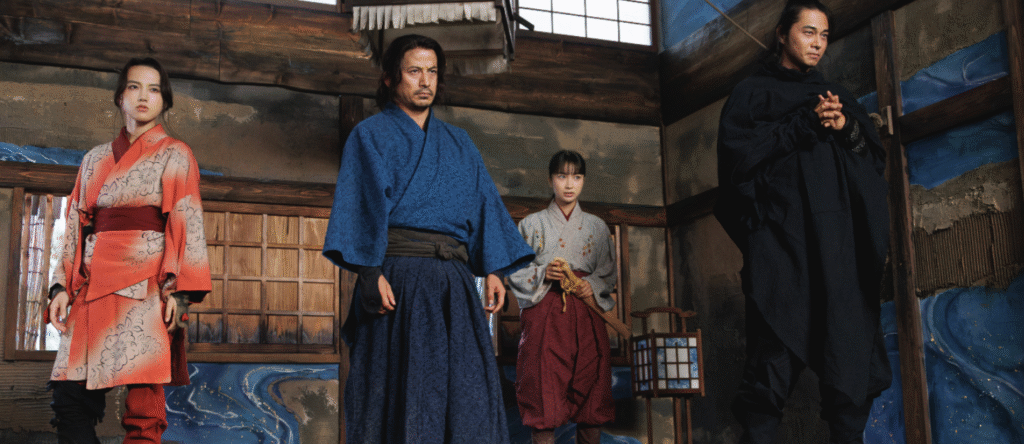
Part of this narrative’s strength is in its symbolic weight. It suggests survival, quite literally or ideologically. It personifies a figure who stands resolute as everything familiar falls around him.
Some reasons this theme thrives include:
Cultural Nostalgia
Audiences like to watch stories reminiscent of lost values: devotion, discipline, and meaningful purpose. Today’s chaotic climate makes such themes comforting yet compelling.
Heroic Individualism
Samurai characters personify the lone warrior ideal. The modern world idolizes independence, and few figures capture this as well as a disciplined swordsman standing against social decay.
Emotional Complexity
The “Last Samurai Standing” often grapples with loss, regret, or disillusionment. In fact, such emotional complexity deepens the viewing experience and perhaps better appeals to a mature audience seeking layered narratives.
Unexpected Connections: Samurai Ideals and The Sopranos
While The Sopranos is miles away from traditional samurai cinema, it manages to surprisingly borrow from core samurai themes. That parallel shows just how deeply the samurai ethos permeates modern storytelling.
1. A Code of Honor in a Changing World
Like samurai confronting the demise of feudal Japan, Tony Soprano grapples with the erosion of the old Mafia values. The New Jersey criminal underworld becomes a metaphorical battlefield where tradition faces extinction.
2. Loyalty as a Double-Edged Sword
In samurai films, loyalty can save and destroy; in The Sopranos, loyalty repeatedly leads characters into moral compromise, betrayal, or tragic consequences.
3. The Burden of Leadership
Both samurai leaders and crime bosses are put under heavy pressure to protect their own group, keep order, and uphold codes, while making personal sacrifices.
4. The Warrior’s Loneliness
Similar to the “Last Samurai Standing,” Tony Soprano finds himself alienated from his own world, in which he is surrounded by people.
5. Inner vs. Outer Conflict
Both genres involve protagonists who seem strong and commanding on the outside but are fragile inside. This is one shared element that crosses these two supposedly different storytelling worlds.
Modern Films Embodying the “Last Samurai Standing” Concept
Most modern films embrace this archetype, even when not about samurai. They deal with similar values and arcs in the narratives:
Neo-Samurai Films
Movies set in futuristic or dystopian landscapes often revive samurai themes in high-tech settings. Characters use metaphorical swords—occasionally literal laser katanas—and represent the last keepers of an ancient discipline.
Action-Drama Hybrids
Many modern action films revolve around warriors confronting their past or attempting to maintain dwindling moral codes. Their story arcs reflect the introspective journeys of classic samurai heroes.
Cross-Cultural Interpretations
Films from outside of Japan explore samurai ideals through local traditions, whether in Westerns, martial arts dramas, or gangster films.
Key Themes that define the modern Samurai Story
Understanding what resonates with audiences in a samurai-themed film today means looking at some of the central pillars on which these narratives stand:
- Honor: Honor remains the backbone of samurai-inspired storytelling. Honor might be redefined by the modern character, but the core idea-commitment to principles-remained unchanged.
- Loyalty: Whether to family, mentors, groups, or personal missions, loyalty is a driving force for much of the plot. The emotional fallout of broken loyalty becomes a centerpiece.
Conflict Between Tradition and Modernity
In most instances, a samurai’s greatest enemy is a new world order challenging long-held values. The tension from this drives the “Last Samurai Standing” arc.
- Inner Conflict: Modern protagonists fight as much against personal demons as against real-life villains. Doubt, sorrow, moral dilemmas, and existential crises give depth to such characters.
- Mastery and Discipline: Training montages, strict routines, and rough discipline make the life of a warrior, even modernized, highly appealing.
Why Samurai-Themed Cinema Still Thrives Globally
Samurai stories continue to thrive in global cinema because:
- Their themes are universal and timeless.
- Filmmakers can adapt them to any genre: drama, sci-fi, fantasy, or even crime.
- Audiences relate to stories of honor, loss, and personal integrity.
- The “Last Samurai Standing” figure offers a powerful lens for exploring individual resilience.
Moreover, samurai films represent a certain sense of grace and deep emotional impact that audiences desire, especially in the midst of today’s fast-paced entertainment atmosphere.
Cinematic Techniques That Reinforce Samurai Themes
Modern filmmakers employ a number of ways to echo the tone of classic samurai cinema:
Minimalism in Action
Most samurai movies focused more on precision instead of chaos. Contemporary filmmakers replicate this with focused, deliberate choreography.
Symbolical Visuals
Cherry blossoms, falling rain, lone silhouettes, and quiet courtyards remain part of the samurai visual vocabulary, even in futuristic or urban settings.
Philosophical Dialogue
Characters often contemplate morality, duty, or mortality in reflective discussions, much like in traditional samurai films.
Slow-burn storytelling
Thousands of stories unfold slowly, with a stress on depth over velocity, reinforcing the samurai ethos’ meditative nature.
The Evolution of the Samurai for Future Cinema
As film continues to evolve, so too will the portrayal of the samurai. Future narratives may include:
- Cybernetic warriors with samurai-inspired ethics
- Globalized hybrid characters influenced by multiple cultures
Tales in which the “Last Samurai Standing” confronts digital or philosophical adversaries
Psychological epics taking the inner conflict even farther The adaptability of the samurai alone ensures that these narratives will continue to thrive in forms unforeseen.
Final Thoughts
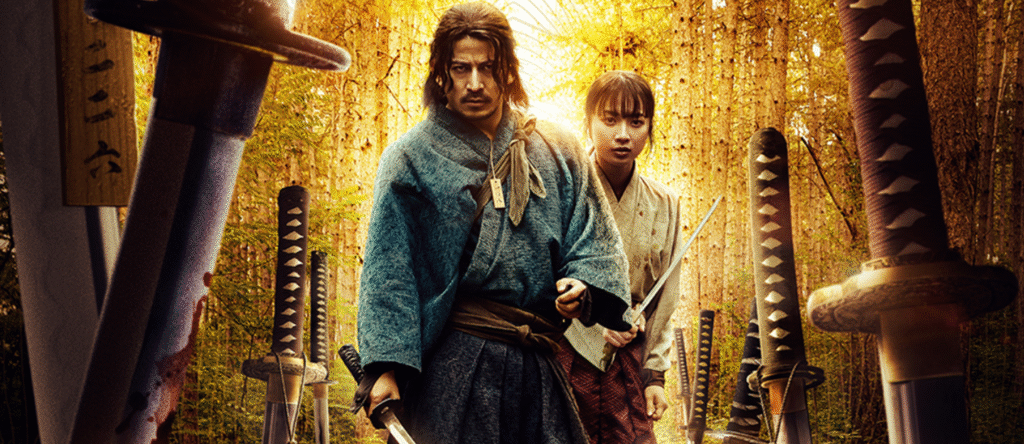
The “Last Samurai Standing” is more than a cinematic trope; it’s a symbol of perseverance, honor, and identity in a world that never stops changing. As modern filmmakers reinterpret this timeless figure, audiences find new ways to connect with ancient values. Even shows like The Sopranos, though vastly different in setting, echo samurai concerns of loyalty, leadership, and internal conflict.
The continued evolution of samurai themes confirms what filmmakers have long known: some stories never grow old-they simply grow with us. The samurai, in all forms past and future, remains a powerful cultural guide, reminding us what it means to stand for something, even when the world moves on.