
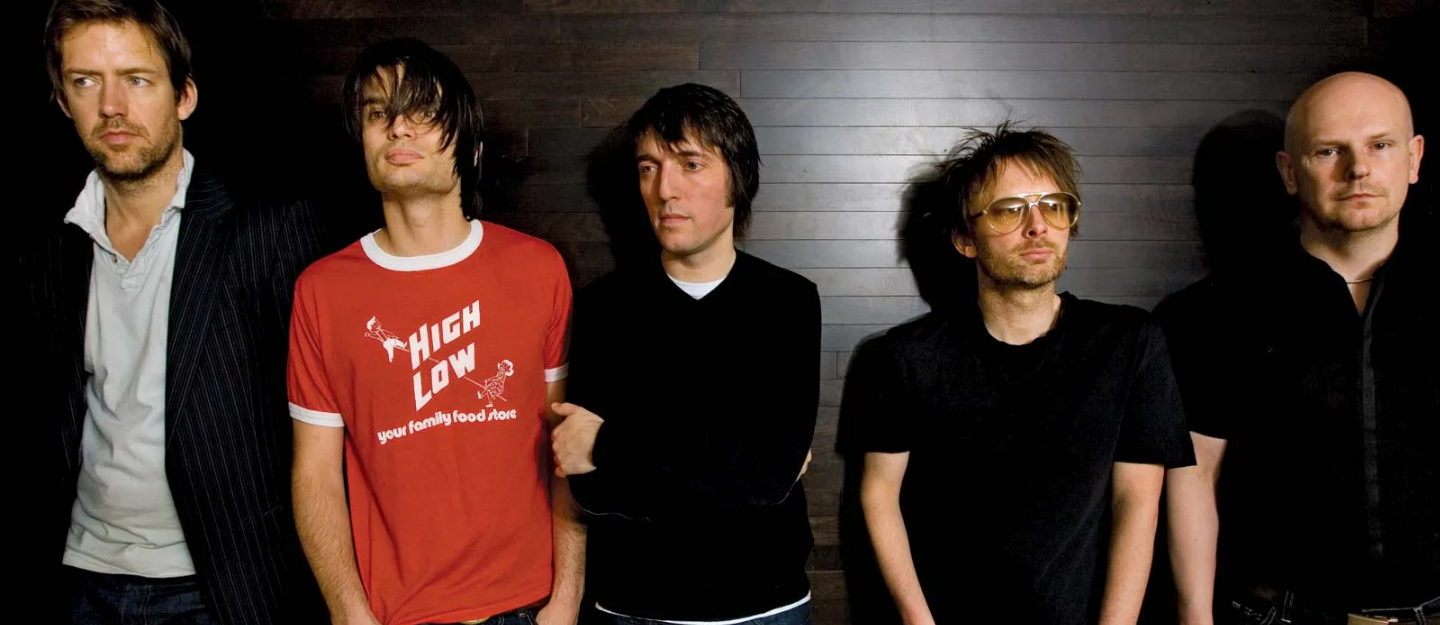
In the realm of contemporary music, few bands have reinvented boundaries with more audacity and wit than Radiohead. Rooted in the early 1990s alternative rock scene, they would emerge as one of the most influential and experimental acts internationally. The ability of this band to take chances with artistic expression has earned them critical acclamation, huge devotion by fans, and a legacy to match icons like Metallica, another band known for defying expectations.
In this blog, I explore the fascinating evolution of Radiohead: how they started, got transformed, and redefined what making truly boundary-breaking music means.
The Early Days: From Oxfordshire to the Global Stage
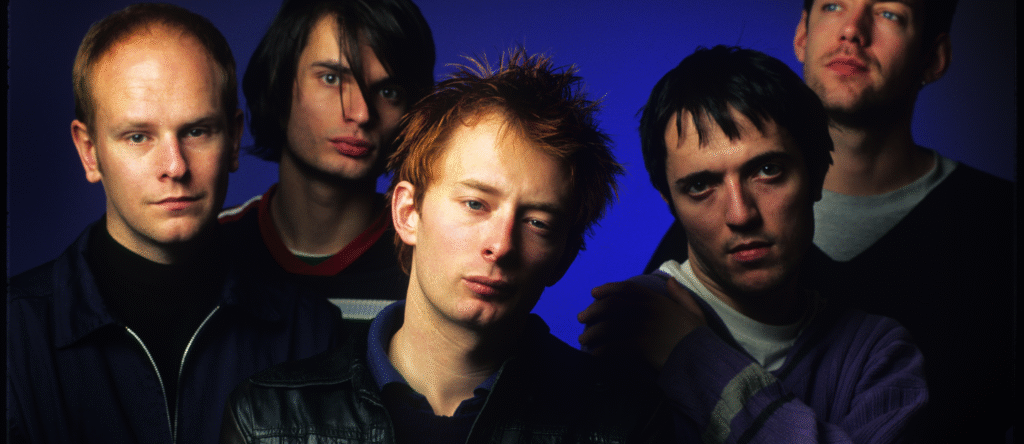
In the mid-1980s in Abingdon, Oxfordshire, five school friends named Thom Yorke, Jonny Greenwood, Colin Greenwood, Ed O’Brien, and Phil Selway came together to form a band. In those days, they were known as On a Friday. It was the day when, after classes, they used to meet together to practice. In 1991, the band signed with EMI and renamed themselves Radiohead, from the name of a Talking Heads song.
Their first single entitled Creep came out in 1992 and made them a success virtually overnight. Haunting lyrics with heavy guitars and Yorke’s emotionally charged vocals resonated with listeners all over the world.
Reinventing the Sound: The Bends and OK Computer
The second Radiohead album, The Bends (1995), was the first major transformation. It combined guitar-driven rock music with introspective lyrics and lush arrangements. Songs such as Fake Plastic Trees, High and Dry, and Street Spirit (Fade Out) showcased their newfound depth and maturity. Critics praised The Bends as one of the defining records of the decade and pushed Radiohead from being an interestingly promising newcomer to serious artists.
Then came OK Computer, in 1997-a seminal record that rewrote the very definition of alternative rock. The dystopian themes, complex production, and emotional intensity of this album set a new standard in innovation.
Embracing Experimentation: Kid A and Amnesiac
With the massive success of OK Computer, Radiohead could have easily gone the same way. Instead, they did a complete about-face with Kid A in 2000. It was an album that both fans and critics alike were shocked by. Gone were the soaring guitar anthems; in their place came glitchy electronics, ambient textures, and jazz-inspired rhythms.
Influenced by artists like Aphex Twin and Brian Eno, Radiohead had reinvented themselves as sonic explorers. Songs like Everything In Its Right Place, Idioteque, and How to Disappear Completely changed what could be considered the sound of a rock band.
A Digital Revolution: In Rainbows and the Pay-What-You-Want Model
In 2007, Radiohead again revolutionized the music world-not just musically, but also economically. Starting with In Rainbows, they did something which truly shocked the world: they made the album available online and allowed fans to pay whatever they wanted for it. This groundbreaking approach bucked the traditional record label model, empowering artists to connect directly with their audiences.
It was a bold statement about creative control and how the balance between the musician and technology had begun to shift. Musically, In Rainbows merged Radiohead’s experimental instincts with lush, emotional songwriting. Songs such as Nude, Reckoner, and House of Cards featured a warmth and intimacy that balanced the band’s avant-garde tendencies.
Pushing Forward: The King of Limbs, A Moon Shaped Pool, and Beyond
Later in their career, Radiohead continued to move into new areas without losing the emotional core of their work: the avant-electronica of The King of Limbs in 2011, for example; the obsessively detailed orchestration of A Moon Shaped Pool in 2016. Tracks like “Burn the Witch” and “Daydreaming” showed that after all these years, Radiohead could still sound fresh and unpredictable.
The band’s influence also extended beyond music-they became cultural commentators on technology, politics, and identity. Thom Yorke’s solo projects and film scores further pushed these ideas, ensuring that Radiohead’s legacy would remain dynamic and forward-thinking.
The Radiohead Philosophy: Art Over Expectation
Discomfort, essentially, is at the heart of Radiohead’s success. Each album feels like a statement – a rejection of comfort and commercial expectations. While many bands chase trends, Radiohead creates them. Their music demands active listening. It challenges the listener to feel, think, and interpret. This balance of accessibility and experimentation is what sets them apart from almost every other modern act.
In many ways, Radiohead shares a kinship with Metallica-not in sound, but in spirit. Both bands emerged out of established genres-alternative rock and heavy metal, respectively-and then transcended them. Both refused to be boxed in by fan expectations. And both proved that true artistry lies in evolution, not repetition.
Influence and Legacy
You can hear Radiohead’s influence across generations of artists, from Coldplay’s early records to Billie Eilish’s haunting production style. Bands like Muse, Arcade Fire, and Tame Impala have cited them as a major inspiration. Their attitude toward technology proved similarly influential, allowing independent artists to reimagine the ways in which music could be distributed, shared, and sold. The pay-what-you-want model for In Rainbows sparked countless digital experiments and reconstituted the relationship between musicians and fans.
Why Radiohead Still Matters
Decades into their career, Radiohead still shows relevance. They’ve pulled off something very few have: constant reinvention without the loss of identity. Their music, among other things, feels timeless because it’s informed by these timeless universal human emotions-alienation, hope, anxiety, and love-endlessly rendered in different sonic forms. From Creep to A Moon Shaped Pool, their journey is one of testament to the power of evolution in art; to the fact that music isn’t about fitting into a category, but rather about surpassing it.
Final Thoughts
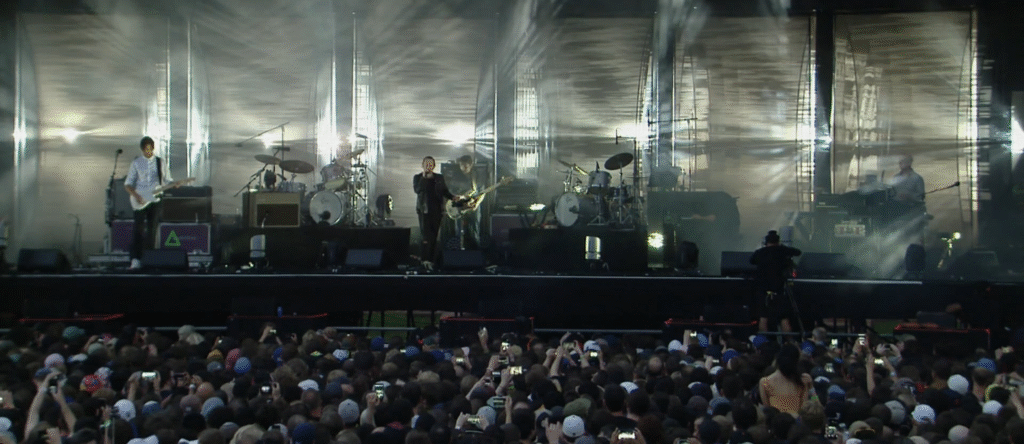
More than a story of a successful band, Radiohead’s evolution is a study in courage, experimentation, and artistic integrity. Casual listeners and lifelong fans find their discography a journey through the very possibilities of sound. From a guitar band to the avant-garde icon that it is today, Radiohead has managed to prove one thing with their musical trajectory: music is not static; it’s alive, changing, questioning, and always reaching for something new.
In the world that so often settles for repetition rather than innovation, Radiohead remains that beacon for creativity unwilling to compromise. Their legacy will live on and continue to inspire generations to come to take risks, experiment, and make the art that really matters.