
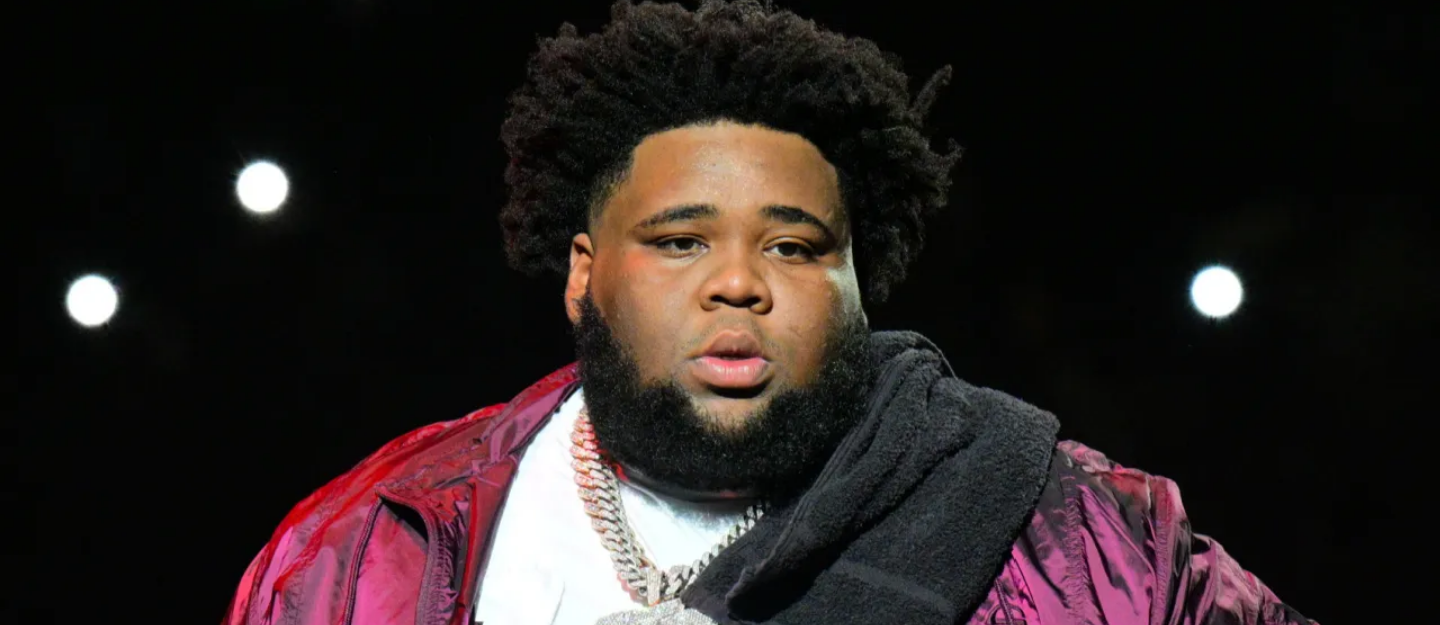
Rod Wave did not break into Hip-Hop through the front door. He did not rely on swagger-soaked bravado or high-octane club records to get his name out there. He walked in carrying heartbreak, reflection, and raw honesty, wrapped in a voice that could stretch from gravel to velvet within a single bar.
That combination did not just earn him a following; rather, it shifted the emotional landscape of modern Hip-Hop. While other artists provide fleeting highs, Rod Wave provides something a lot more akin to emotional oxygen. His songs feel like pages torn from a private journal, harnessed with melodic cadence from both rap and R&B.
The evolution of Hip-Hop into an era where vulnerability carries as much weight as confidence finds Rod Wave at the heart of that change. Below is an in-depth look at his rise, his artistic blueprint, and the impact his emotional anthems have on today’s Hip-Hop ecosystem.
The Rise of Rod Wave: From Local Buzz to Global Voice
Rodarius Marcell Green, aka Rod Wave to the world, originated from St. Petersburg in Florida with a sound too unique for categorization. His mixtapes gained traction early because, yes, one could say he could rap, he could sing, but more importantly, he spoke emotional truth with startling clarity.
When “Heart On Ice” went viral, a wave of sentiment washed over listeners that was both familiar yet seldom heard in Hip-Hop. The track was not aggressive in wordplay or in its thumping production; rather, it depended on a tender vocal performance that spoke of trauma, emotional fatigue, and determination.
This melodic and confessional fusion set him apart from a number of emerging artists that had leaned much more into aesthetic rather than soul-baring substance. Rod Wave didn’t rise because he fit the mold. He rose because he broke it.
Emotional Storytelling: The Foundation of Rod Wave’s Success
Hailing from a genre based on stories, Rod Wave delivered the same momentum of introspective narration once again. His songs take listeners along winding emotional paths: childhood hardship, loyalty tested, and heartbreak endured, with the shadows of success that linger on.
His lyrics don’t feel like crafted illusions; they feel lived-in. Songs such as “Rags2Riches,” “Girl of My Dreams,” “Dark Clouds,” and “Poison” chart the emotional topography of a mind trying to make sense of life in real time. Far from stepping away from vulnerability, Rod Wave moves toward it with a sense of intention.
That vulnerability resonates in today’s Hip-Hop culture, which increasingly values emotional transparency. For a generation navigating uncertainty, Rod Wave’s emotional candor offers solidarity. His anthems don’t glorify struggle. They articulate it.
Shaping Modern Hip-Hop’s Melodic Blueprint
Rod Wave has had an unavoidable influence on modern Hip-Hop’s sound. Melody-driven rap was certainly bubbling into the mainstream at various moments through figures like Drake, Future, and Young Thug, but Rod Wave brought in an entirely more weighty emotional dimension. His approach created a hybrid lane built on four pillars:
1. Soul-Filled Melodies
Rod Wave channels the spirit of blues and gospel traditions into Hip-Hop. He makes use of his tone as an instrument, creating melodies that feel powered by lived experience rather than commercial formulas.
2. Pain-Powered Lyricism
His writing is testament to emotional honesty. Scars, he does not mask; he names them. This lyrical honesty has influenced a wave of younger artists who see vulnerability as a strength.
3. Cinematic Production Choices
His beats often merge acoustic guitar, piano, and atmospheric pads with trap drums to form a moody, immersive space that supports his storytelling rather than overshadowing it.
4. Consistent Narrative Themes
Rod Wave never abandons his identity for trends. His albums follow themes of growth, loss, healing, and introspection in a very cohesive and organic manner.
The result is a musical style that’s highly distinctive and widely emulated, informing how younger artists approach melody and emotion in Hip-Hop.

The Art of Vulnerability: Redefining Strength in Hip-Hop
Confidence and domination had been the Hip-Hop cultural norm for decades. Rod Wave helped expand that lens by fully embodying a different type of strength: emotional honesty.
Instead of shying away from sadness, anxiety, or fear, he brings them to the forefront. This shift has helped dismantle outdated expectations placed on men within the culture, especially Black men, who often feel pressure to mask vulnerability. Rod Wave is proof that you can be vulnerable and not be weak, introspective without losing impact, emotional and still have edge.
His songs are like a quiet conversation so many listeners never knew how to say out loud until they heard him put words to that feeling. This evolution isn’t just cultural; it’s personal for those fans who find relief, reflection, or reassurance in his work.
A Voice for the Underserved and Overlooked
Rod Wave speaks to people who feel unseen: the ones with silent burdens, the ones fighting to survive yet chasing hope, the ones growing up in conditions that make their dreams fragile. He gives voice to complexities that many millions experience but rarely put into words. His music speaks to:
- Young adults navigating chaotic emotional landscapes
- People experiencing poverty, trauma, or unstable households
- Listeners who feel overwhelmed but determined
- Fans who long to have a voice from inside their internal world
His authenticity gives permission to feel, to process, and to reflect. Amongst a digital era full of curated perfection, Rod Wave’s unfiltered humanity stands out.
How Rod Wave Changed the Soundscape of Hip-Hop
As Rod Wave’s catalog expanded, the reach of his impact did, too. His presence is now clear within:
1. Artistic Direction
More artists are showing emotional transparency and melodic rap structures reminiscent of Rod Wave’s confessional style.
2. Production Trends
Producers explore richer, cinematic soundscapes nowadays, with instruments that complement the emotional vocals.
3. Audience Expectations
Emotional expression and storytelling are valued increasingly by the growing listeners of Hip-Hop, pushing the genre more toward introspective themes.
4. Digital Consumption Patterns
Rod Wave’s songs thrive on streaming services due to the fact that emotional music encourages repeat listens. The fans come back to his catalog for emotional grounding rather than just fun.
5. Cultural Conversations
His music has contributed to a broader conversation on mental health, resilience, and emotional literacy within the Hip-Hop community.
Rod Wave didn’t move the genre with shock value; he did it with honesty.
Albums That Defined His Legacy
Every Rod Wave project feels like a chapter in an evolving memoir. While all contribute to his legacy, several stand out:
- Ghetto Gospel: A breakout moment where Rod Wave sharpened his identity, it mixed soulful singing with journal-like confession.
- Pray 4 Love: A deeper, more polished dive into themes of trauma, ambition, and emotional hunger. The album cemented his presence at the center of modern Hip-Hop.
- SoulFly: This may be considered the turning point where Rod Wave expanded his sonic textures and remained true to introspective storytelling. Songs like “Tombstone” showed how he can craft an unforgettable emotional anthem.
- Beautiful Mind: A journey of growth, healing, and the burden that comes with fame. This was an artist growing up yet not losing his emotional core.
With these albums, Rod Wave has built a discography that acts less like entertainment and more like an ever-evolving diary.
Why Rod Wave Resonates Across Generations
Rod Wave’s music reaches everyone from old to young, locals and visitors alike. That wide appeal is rooted in:
- Relatability: His themes are universal, from love, pain, regret, hope, to resilience.
- Authenticity: He doesn’t manufacture emotion, he articulates it.
- Consistency: Listeners know what to expect, as his sound changes but not its DNA.
- Emotional Intelligence: His reflections help listeners grasp their own emotional landscapes.
Older listeners appreciate his depth, while younger listeners connect to his honesty. Fans embrace him collectively as a narrator for emotions that mostly go unsaid.
Rod Wave’s Lasting Impact on Modern Hip-Hop
Rod Wave isn’t just contributing to Hip-Hop; he’s reshaping its emotional framework. What he did best in his career is: Expanding what Hip-Hop can express Validating vulnerability as artistic strength Inspiring new artists to meld melody with emotional truth Reintroducing soul, blues, and gospel influences into today’s rap Creating anthems that echo at moments of triumph and turmoil.
His emotional anthems didn’t just create hits, they created space. Today’s Hip-Hop landscape carries Rod Wave’s fingerprints in its melodies, its narratives, and its emotional vocabulary. It is richer, deeper, and more introspective because of his contributions to the genre.

Final Thoughts
The influence of Rod Wave on modern Hip-Hop isn’t just sonic; it’s cultural. He became a voice for those carrying stories unspoken. But through the emotional anthems he created, he reshaped the expectations placed upon artists by listeners and opened new pathways for creative expression in Hip-Hop. His journey proves that authenticity still matters, emotional truth still resonates, and vulnerability can shape an entire era of music. Rod Wave didn’t just change Hip-Hop, he expanded its heart.