
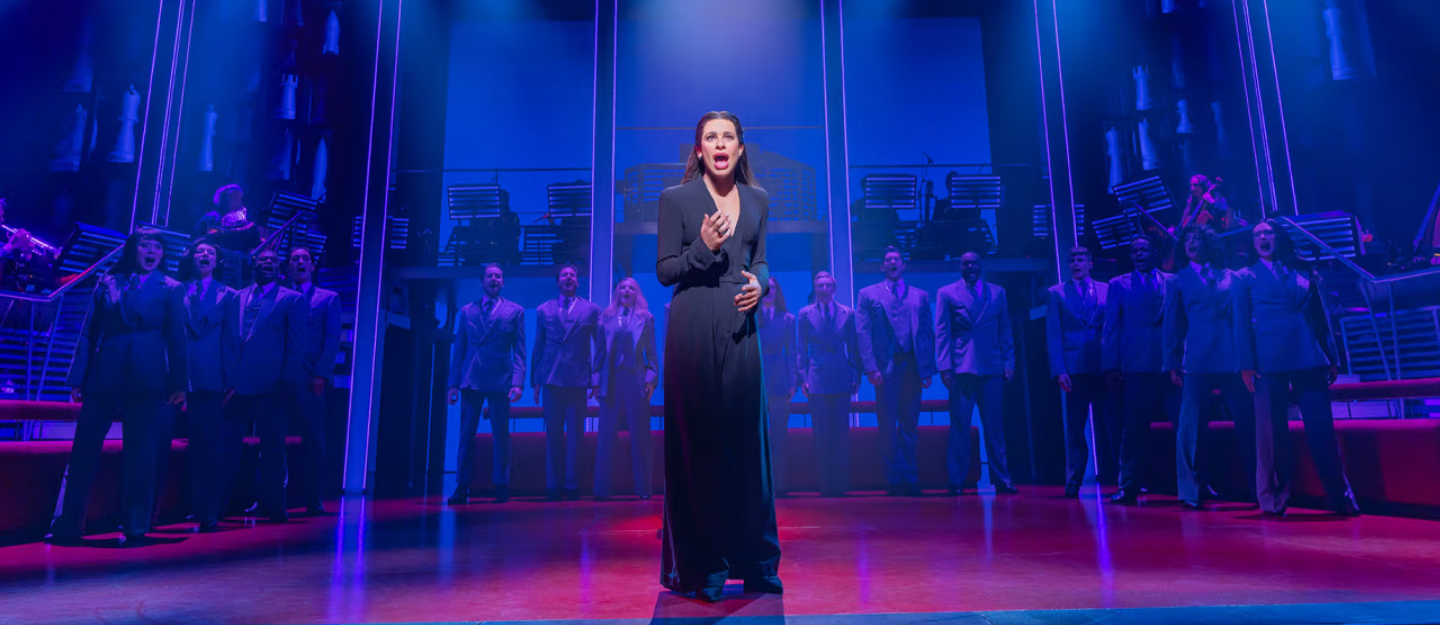
Chess Reviews Broadway has long been a major cultural force, reliably blending artistic innovation with shifting social trends. But over the past several months, one production has burst into the national conversation with unexpected strength: Chess. More than ever, Chess reviews on Broadway are driving online debate, sparking celebrity commentary, and fueling new curiosity about competitive strategy and theatrical narrative.
But what’s behind this unlikely resurgence? Why is a musical based on Cold War tensions, grandmaster rivalries, and emotional complexity suddenly trending across pop culture platforms? And where does Jaden Smith come in? Below is a deep dive into how Chess Reviews Broadway has regained cultural relevance, with modern audiences, digital reviewers, and famous personalities fueling its momentum.
The Revival That Sparked Renewed Attention
This new revival of Chess on Broadway has fired up a classic. While Chess has always enjoyed a solid core of devoted and enthusiastic followers, this new production incorporates contemporary elements: dynamic staging, intensified character arcs, and modern performance techniques.
As audiences rediscover the show, Chess reviews Broadway searches have skyrocketed, largely fueled by newcomers looking to understand the hype. This is more than a revival of a classic script; it shows directors amplifying the emotional resonance of the narrative to focus more deeply on themes of identity, loyalty, ambition, and psychological struggle. These elements speak strongly to a generation that values emotional depth in its entertainment choices.
Why Today’s Audience Connects With Chess More Than Ever
One reason Chess Reviews Broadway is dominating conversations is its uncanny alignment with today’s societal atmosphere. The clash of personal ambition and global politics at the center of the story truly echoes today’s global dynamics. Audiences recognize modern parallels within the plot, which makes the emotional stakes feel unexpectedly relevant. Moreover, the show’s deconstruction of strategy and intellect speaks to an age that rewards cerebral pursuits. Shows, games, and social media trends related to logic, puzzles, and mental competitions are more popular than ever.
Younger fans love it when pop culture identifies what makes intellectual mastery thrilling, and Chess does just that. Its score also makes it extra special. The high-flying melodies and lyrical profundity combine to provide an emotional experience for audiences that complements the tension in the story. That dramatic combination, coupled with its long-running status, reinforces why this musical is so highly reviewed.
The Role of Online Critics and Social Media Buzz
Today’s Chess Reviews Broadway audience isn’t confined to seats in a theater, but rather global. Critics and fans alike share their takes online, creating a digital ripple effect. It is no coincidence that Chess reviews Broadway have risen-the platforms of TikTok, Instagram, and YouTube amplify reactions in the blink of an eye.
Of these, short-form videos of emotional reactions to key scenes have really taken off. Fans share their favorite performances, best vocal moments, and interpretations of character motivations. Alongside long-form video essays and review blogs, the digital world has built a thriving ecosystem of discussion around the production.
Jaden Smith’s Unexpected Impact on the Conversation
Among the famous voices that have contributed to Chess’s rising popularity is Jaden Smith. Eclectic in his interests and artistically curious, Jaden has been candid about his fascination with strategy-based games, mindfulness, and the interplay between creativity and intellect.
When he publicly mentioned his appreciation for Broadway productions, including his excitement around the Chess revival, the people listened. His comments went viral in no time. The unique influence Jaden has on Gen Z and the younger millennials is such that his endorsements create curiosity. His involvement meant a wave of young viewers delved into the musical in search of Chess reviews Broadway and posted their opinions online.
Themes Resonant with Contemporary Storytelling
This renewed interest in Chess reflects broader shifts in popular entertainment tastes. Today’s audiences tend to be drawn to stories that marry psychological tension to emotional truth. Chess works because it puts center stage:
Human Conflict Beneath Public Personas
These aren’t mere competitors on a world platform but seriously flawed human beings undergoing personal crises. People identify with the inner strife that accompanies great outward feats.
Love, loyalty, and sacrifice
Anchoring the storyline are romantic tensions, emotional violence, and moral dilemmas. These themes continue to resonate strongly with today’s audience.
The Pressure of Performance
Chess feels more relevant than ever in a world increasingly defined by visibility and social validation. The characters’ public scrutiny, burnout, and weight of expectation parallel those things that audiences themselves understand all too well.
Ambition Versus Humanity
The musical questions whether success is worth the emotional toll. It’s a question everybody faces in one’s lifetime, so that’s a universal connection-one that transcends the Cold War setting. These themes help explain why Chess Reviews Broadway remains a topic of sustained conversation among critics, fans, and the broader pop culture community.
The Strength of the New Cast and Production Design
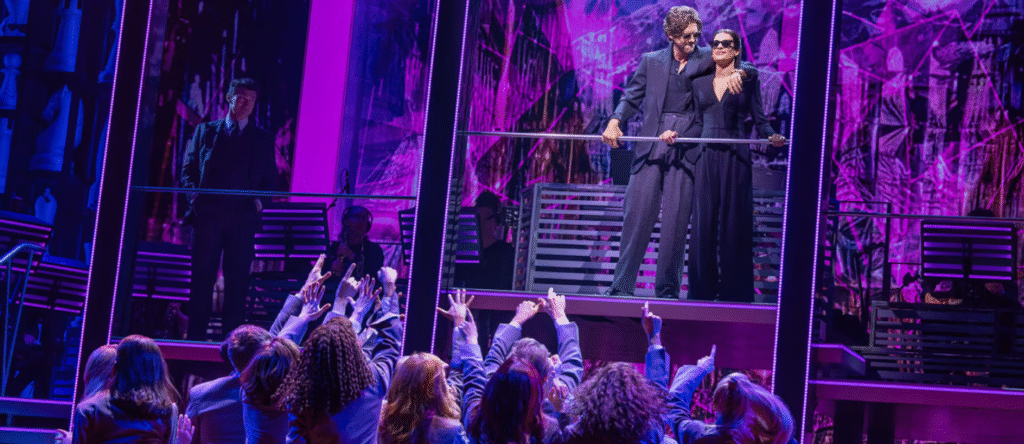
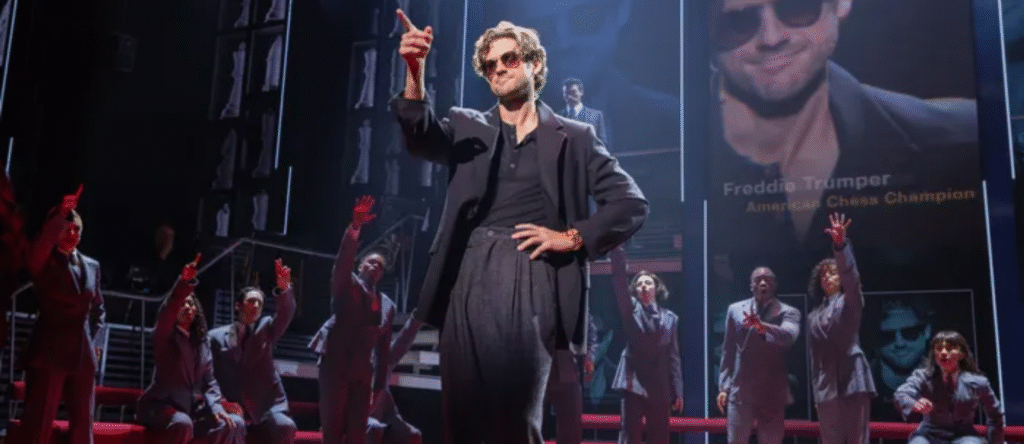
Another significant reason for increased Chess reviews Broadway buzz is the cast: modern performances bring new emotional intelligence to the characters, raising the dramatic tension and the musical authenticity. Added to that are innovative stagings and lighting, which give it a cinematic effect. The use of symbolic visuals, contrasts in lighting, and multi-media elements supports the storytelling and does not overpower the core emotion.
How Chess Became a Pop Culture Touchpoint
So, how did Chess become a trending pop culture topic? The answer lies at the intersection of nostalgia, artistry, and digital conversation.
1. Nostalgia Reimagined
For fans of the original musical, the revival satisfies; for newcomers, it’s new material.
2. Cross-Generational Appeal
Strategic games, political tension, and emotional stakes attract different age groups.
3. Celebrity Influence
Figures like Jaden Smith help push the conversation into new audiences.
4. Digital Discussion Platforms
Social media speeds up the spread of reviews and praises.
5. Escalating Interest in Smart, Intense Storytelling
Today’s audiences want complex storytelling that combines emotion and intellect.
What This Means for Broadway’s Future
All the attention Chess Reviews Broadway is receiving could be a strong indicator of where Broadway may go. Audiences want productions that will challenge them both emotionally and intellectually. They appreciate artistry that is intentional and authentic with many layers. Broadway producers and creatives will take due notice.
Chess’s success could herald a spate of more revivals, reinterpretations, and original works embracing psychological depth and thematic sophistication. It may also encourage theaters to spend more on marketing strategies driven by digital influencers, younger audiences, and celebrity endorsements—especially figuring out how personalities like Jaden Smith can organically amplify interest.
Final Thoughts
The explosion of Chess reviews Broadway coverage transformed the musical from a celebrated classic to a current-day cultural phenomenon. With new artistic direction, celebrity involvement, strong emotional storytelling, and rapid digital media influence, Chess has become a powerful symbol of how timeless narratives can take on new life and thrive.
This revival only proves that people still want smart and emotionally provocative productions-and that Broadway can still be a lively part of pop culture. Be it through fervent online reviews, celebrity discussions, or sold-out shows, Chess is proving that strategic storytelling works just as well at capturing hearts as does strategic gameplay.