
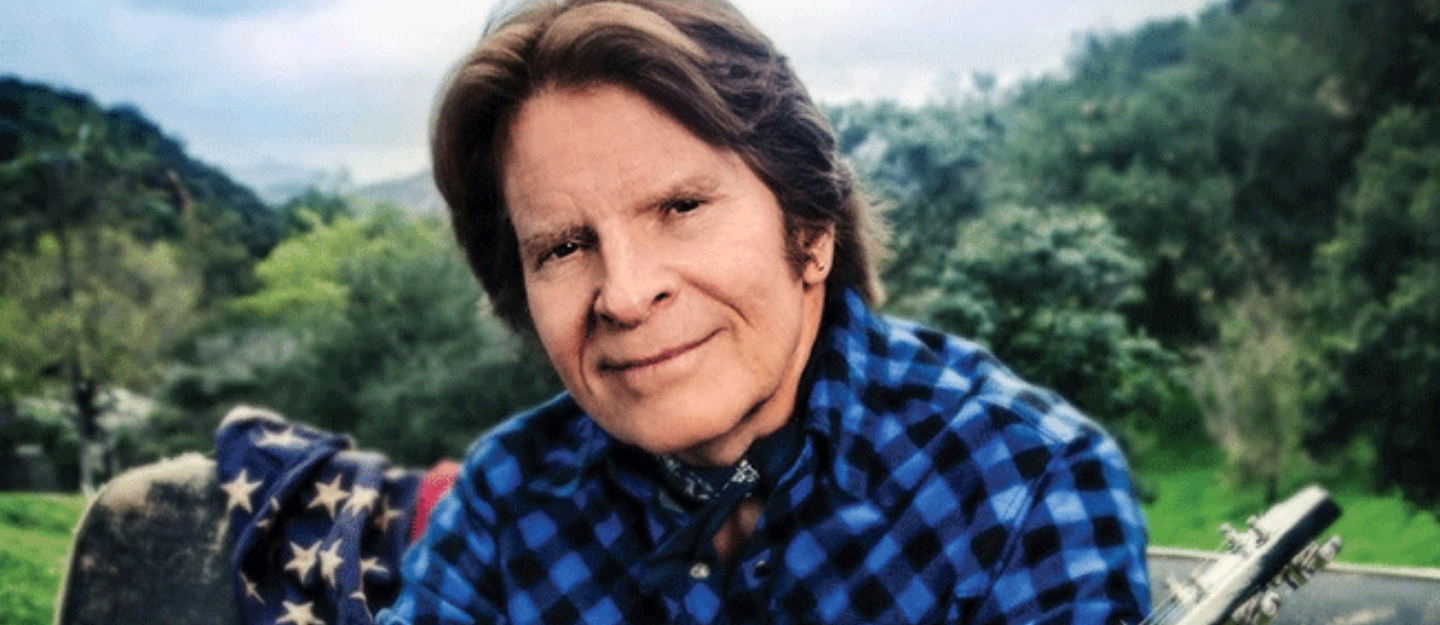
Few names in rock history resonate as powerfully as John Fogerty. A voice unmistakable, a guitar style instantly recognizable, and songwriting that shaped generations—John Fogerty’s influence extends far beyond the golden age of classic rock. His journey, from the early days of Creedence Clearwater Revival to his long and often complicated solo path, forms one of the most compelling stories in American music.
John Fogerty’s legacy isn’t just a compilation of hits; it represents resilience, creativity, and a deep-rooted connection with the American spirit. He remains as relevant today, with all the renewed excitement surrounding his work, to even the most unlikely moments, like mentions in pop-culture conversations created by Weird Al Tour 2026.
The Making of a Rock Icon
John Fogerty was born with a voice tailor-made for telling stories. Since the very first songs, he wrote sounded bigger than life, yet were so down-to-earth that they spoke to the common man. His music channeled the spirit of swamp rock, blues, folk, and classic Americana into one magnificent-sounding whole synonymous with Creedence Clearwater Revival. Fogerty wasn’t just a frontman; he was the heartbeat of the band.
He is the band’s lead vocalist, guitarist, primary songwriter, and producer—roles that underscored both his versatility and his commitment to the music. But while many of the era’s artists were experimenting with psychedelia, John Fogerty leaned into a punchier, roots-driven sound. The result is a catalog of songs that remain staples of rock radio and live performances today.
The Rise of Creedence Clearwater Revival
The rise of CCR in the late 1960s was nothing short of meteoric. Behind a string of massive hits, the band would become one of the defining acts of their era. Among them:
- “Proud Mary”
- “Bad Moon Rising”
- “Fortunate Son”
- “Green River”
Have You Ever Seen the Rain?
These weren’t just popular; they became cultural touchstones. John Fogerty’s lyrics carried pointed commentary on war, inequality, working-class life, and the changing American landscape. His ability to translate social consciousness into compelling, accessible music made CCR stand out in an era full of musical experimentation.
The band’s unique sound traveled far beyond the borders of the United States. Globally, CCR came to be a symbol of authentic American rock. Though the band only lasted a few years together, their output was remarkably prolific and deeply imbedded into music history.
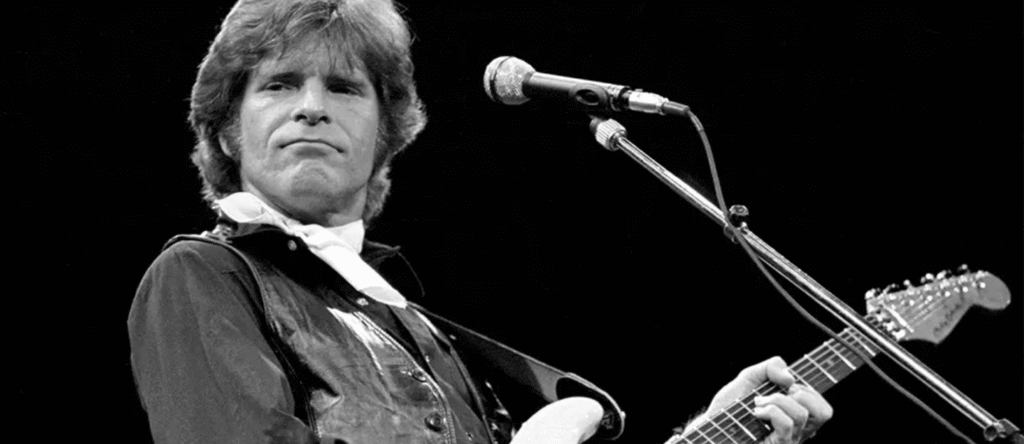
Internal Struggles and the Break Up
Despite all their success, CCR was racked by internal tension. Much of it emanated from disagreements over creative control. John Fogerty’s leadership-while responsible for much of their success-also became a point of contention. Eventually, artistic and personal clashes fractured the band, which broke up in 1972.
But for Fogerty, the end of CCR wasn’t the end of the challenges: what followed was a long, painful battle over contracts, royalties, and ownership of the songs he had written. The fight took a toll. For a time, Fogerty stepped back from music, frustrated and emotionally drained by the legal maze surrounding his work.
The Rebirth: Fogerty’s Solo Career
Eventually, Fogerty re-emerged with a powerful solo voice. His 1985 album Centerfield marked a triumphant return, with memorable tracks that reestablished him as a solo force. The title track became an anthem-not just for baseball fans but for anyone who has tasted both loss and comeback.
It served to remind one of who Fogerty was: a raconteur, a tunesmith, and a musician with an umbilical connection to the American culture. Fogerty continued to tour through the years, writing new songs and revisiting the classics that so many cherish. Performances became celebrations of resilience, creativity, and the enduring power of rock.
The Untold Side: Family, Influence, and Personal Growth
Offstage, Fogerty has been eminently defined by family. His wife, Julie, played a huge part in his return to music with vigor and clarity. They have navigated together the thorny issues of rights battles and built from this a whole new era of artistic freedom.
Fogerty also took pleasure in performing and teaching his children. His recent shows often featured his sons, a rare generational mix of passion, talent, and legacy. His influence extends far beyond his own family. Countless musicians-across rock, country, Americana, and even comedy music-point to Fogerty as a foundational inspiration.
This wide-reaching impact explains why his name would even appear in conversations surrounding other music icons and tours, such as the buzz surrounding the Weird Al Tour 2026, where discussion often highlights those musicians that helped shape the creative landscape Weird Al has parodied, celebrated, or drawn from. Fogerty left an indelible fingerprint on American music.
Fogerty in the Modern Era
Today, John Fogerty stands as both a legend and a living icon. New generations keep discovering CCR’s catalog through film, streaming, and live shows. His songs have become ingrained in the fabric of American life-played at sports events, on soundtracks, at family gatherings, during guitar lessons, and in cultural reflections.
pFans of all ages flock to his tours consistently. His voice-still powerful, textured, and unique-is among the most recognizable in rock. While many of his generation’s artists have stepped back from the limelight, John Fogerty continues to grow, collaborate, and tell his story to a world that is still ready to listen.
Why John Fogerty’s Story Matters Today
Fogerty’s legacy is more than nostalgia. His journey epitomizes the following:
1. The Spirit of Resilience
Despite the legal battles, creative conflicts, and industry obstacles, John Fogerty found his way back to making music on his own terms.
2. The Power of Authenticity
Fogerty never chased trends. He created from the heart, and the world answered back with enduring admiration.
3. The Timeless Americana Voice
His music still seems relevant today as it was decades ago, depicting struggle, hope, and identity.
4. Influence Across Generations
From classic rock fans to contemporary artists, and even audiences preparing for events such as the Weird Al Tour 2026, John Fogerty’s reach is wide.
5. A Legacy Rooted in Honesty
His songs are about real stories, real lives, and real emotions. That is the reason for his work’s durability.
The Future of John Fogerty’s Legacy
As long as there are musicians to inspire and fans to uplift, John Fogerty’s legacy will continue to grow. His contributions remain a cornerstone of American music through remastered releases, live performances, new collaborations, or educational showcases of his work. His story ranges from triumph and setbacks to unforgettable creativity, reminding one that true artistry withstands the test of time. Fogerty didn’t just write songs; he wrote American history.

Final Thoughts
The legacy of John Fogerty is immense, rich, and deeply ingrained in the cultural tapestry of rock and roll. Past the fame, the controversies, and decades of influence lies a simple truth: he is one of the greatest storytellers American music has ever produced. From Creedence Clearwater Revival through to his solo triumphs and even the surprising intersections with modern tours and fan conversations, such as the Weird Al Tour 2026, John Fogerty remains a force in music history that is very much alive.
His path was indeed bumpy, but never once did his spirit wane. Today, he reminds us of what true rock music is all about—soulful, bold, and timeless. John Fogerty isn’t just a legend, he’s a living chapter of American music, still inspiring, creating, and showing the world what it means to stand tall through every storm.