
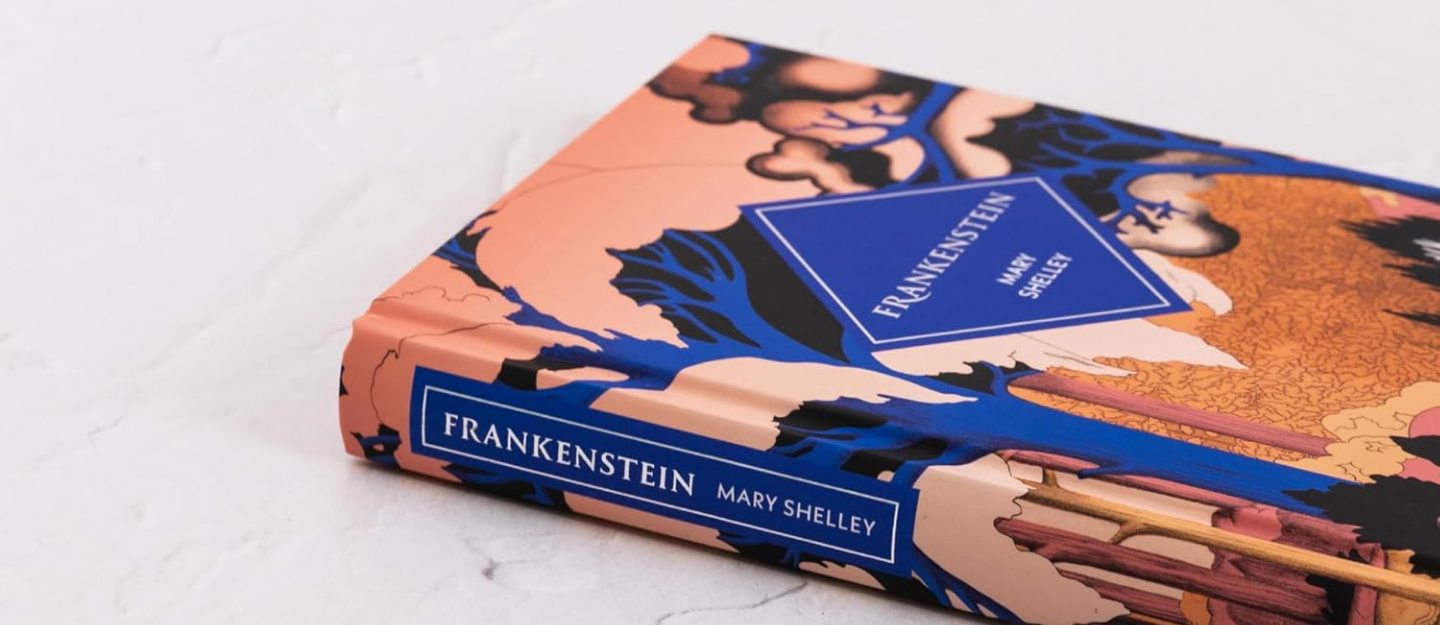
When Mary Shelley first unleashed the Frankenstein book into the world in 1818, she set loose something far more enduring than a Gothic novel. She sparked a myth, an ethical puzzle, and a cultural symbol that still hums with electricity two hundred years later. There is an uncanny resonance in its pages, as if it were the creature itself leaning forward from the text and posing the question that has haunted generations: “Who is the real monster here?”.
The book Frankenstein has been endlessly adapted, reshaped, misremembered, and reinvented. And yet the original novel is startlingly contemporary; the anxieties of modern debates on artificial intelligence, bioengineering, ethics, and creation without responsibility recurrently echo through it.
To read Mary Shelley today is to be reminded that humanity has yet to grow out of the haunted questions she dared to pose at the tender age of eighteen years.
The Night That Sparked a Legend
It is as if the origins of the Frankenstein book are the prologue to a ghost tale. It was during the infamous “Year Without a Summer” in 1816 when Mary Shelley, Percy Bysshe Shelley, Lord Byron, and John Polidori met up near Lake Geneva. The skies across Europe were dimmed by the recent volcanic eruption of Mount Tambora, bathing the world in an unsettling twilight that cried out for strange stories.
See Also Lisa Barlow: The Real Housewives Star Everyone’s Talking About
The group dared each other to compose supernatural stories. Byron created a fragment; Polidori produced the first modern tale of a vampire; and Mary Shelley dreamed a waking nightmare of a scientist leaning over a creature he had created, blowing life into it with hideous triumph. That became the throbbing heart of Frankenstein.
A Story Told Through Nested Voices
The book Frankenstein is constructed as a Russian doll: each voice encases and reflects the others. Walton writes to his sister from the Arctic, recounting his encounter with Victor Frankenstein. Victor tells his story of how he put together the Creature. The Creature tells his own story, providing the most heartbreaking and introspective parts of the novel.
This kind of layered storytelling creates an effect of shifting mirrors. No narrator is fully reliable: each voice refracts truth through its own longings, fears, and justifications. Shelley doesn’t give a simple moral verdict but a chorus of yearning voices that all try to explain their existence.
The Birth of a Creature, Not a Monster
One of the strongest misconceptions about Frankenstein is connected with the scientist-to-Creature identity switch. Frankenstein is the scientist. The Creature has no name. Mary Shelley has deliberately left him nameless, as if not wanting to restrict him within an identification framework.
The Creature begins life with wonder. His early observations of the world read like the first steps of a child trying to make sense of light, warmth, language, and human emotion. He hungers to belong. It is only after rejection, abandonment, and repeated cruelty that he becomes something sharper and more vengeful.
Mary Shelley’s Personal Shadows Behind the Story
Shelley’s life cast long shadows over the novel: She had lost her mother, the philosopher Mary Wollstonecraft, days after her birth; she suffered the loss of multiple children; she lived amid revolutionary ideas about science, politics, and the nature of human rights.
It is in these experiences that the emotional core of Frankenstein feels unmistakably personal. Themes of creation, loss, loneliness, and parental responsibility lie everywhere within the book. Victor’s failure is not in the creation of life but in refusing to nurture what he made. His neglect becomes the novel’s true horror.
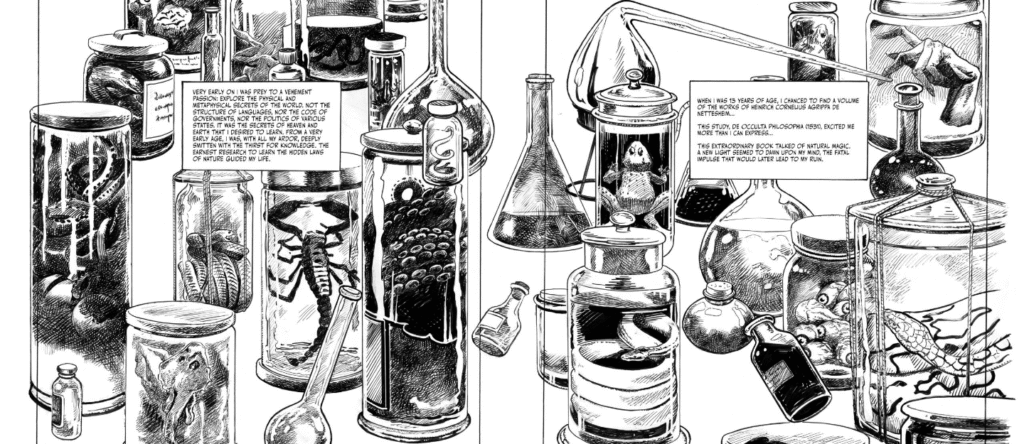
Shelley was also surrounded by the scientific conversations of galvanism, anatomy, and the reanimation of tissue. She mixed the most up-to-date science with Gothic dread, creating an early blueprint for what would eventually be labeled as science fiction.
The Ethical Engine Inside Frankenstein
Yet, the book Frankenstein feels utterly modern because it confronts questions that humanity still tussles with:
What are the responsibilities of a creator?
Victor is brilliant but emotionally barren; he seeks knowledge without accountability. The novel forces readers to question whether creation without compassion becomes destruction.
What happens when society rejects what it does not understand?
The Creature becomes what the world projects upon him. Shelley reveals the devastating alchemy of prejudice.
How far should scientific curiosity go?
The novel never condemns science. It condemns reckless ambition stripped of empathy, foresight, and humility.
Who needs love?
Shelley’s response echoes throughout the volume: everyone.
The Arctic Frame: A World on the Edge
Setting the outer frame of Frankenstein in the Arctic was not just a decorative act on the part of Shelley. It symbolizes the themes of the novel: isolation, ambition, and frozen landscapes inside human obsession. Robert Walton’s is a parallel journey with Victor: both are in search of greatness in icy solitude; both face the consequences of pursuing something beyond human scale. The image of Victor exhausted, haunted, adrift in a place the sun barely touches, stands as one of the bleakest emblems of Gothic literature.
The Creature as the Novel’s Moral Center
The Creature’s voice is surprisingly articulate, philosophical, and vulnerable. When he recounts his process of learning to speak by watching the family of De Lacey, the novel turns into something hopeful and tragic at once. His longing to belong is the anchor of the book.
He asks for recognition, companionship, and kindness. When these are denied, he becomes a mirror of humanity’s failings. The question lingers through the Frankenstein book: if cruelty is taught, can it be untaught? Shelley leaves the answer unsettled, giving the novel its haunting afterglow.
Cultural Impact: A Masterless Myth
The impact of Frankenstein the book is felt well beyond literature. It permeates into film, theater, philosophy, science, and political discourse. The green-skinned creature with bolts in his neck may bear little resemblance to Shelley’s original vision, yet the mythic force remains intact.
One finds the influence of the book in:
- debates about artificial intelligence
- Bioethics and Genetic Engineering
- discussions on parental responsibility
- art and film that explore “the outsider”
- political rhetoric about unintended consequences
Shelley invented the modern cautionary tale about innovation sans humanity. The Frankenstein myth has become a vocabulary word for runaway creation.
Why Frankenstein Still Matters
The novel endures because it speaks to fears we never resolved:
- the fear of being unloved
- the fear of what we might create
- the fear of our ambitions outrunning our ethics
- the fear of becoming something we didn’t intend
She wrote of a creation alive not due to lightning or sparks from the laboratory, but because she listened to the anatomy of loneliness and the voltage of human desire. The book Frankenstein stands at the crossroads of horror and philosophy, beckoning people to look closer at the shadows their choices cast.
The Legacy of Mary Shelley
Where Shelley’s genius lies is in weaving emotion, intellect, and social commentary into a single narrative pulse. She gave literature one of its most enduring figures, and she gave culture a set of questions which refuse to rest. The book Frankenstein is not just Gothic fiction; instead, it is a record of a young author who had the courage to investigate the fault lines of creation and responsibility. Her work remains a storm-cloud masterpiece, rumbling with relevance.
Final Thoughts
The Creature Still Walks To step into Mary Shelley’s Frankenstein is to enter a world lit by candlelight and lightning, one in which the strain of ambition wars with ethics, where the longing for tenderness becomes an epic struggle. The novel feels alive because we continue to grapple with the fire that fueled Victor Frankenstein.
Shelley’s creation endures because it is not a horror story alone: it is a human story stitched from grief, curiosity, and the hope that someone, somewhere, sees us clearly. The book Frankenstein is a living question, and each generation has to answer it again.