
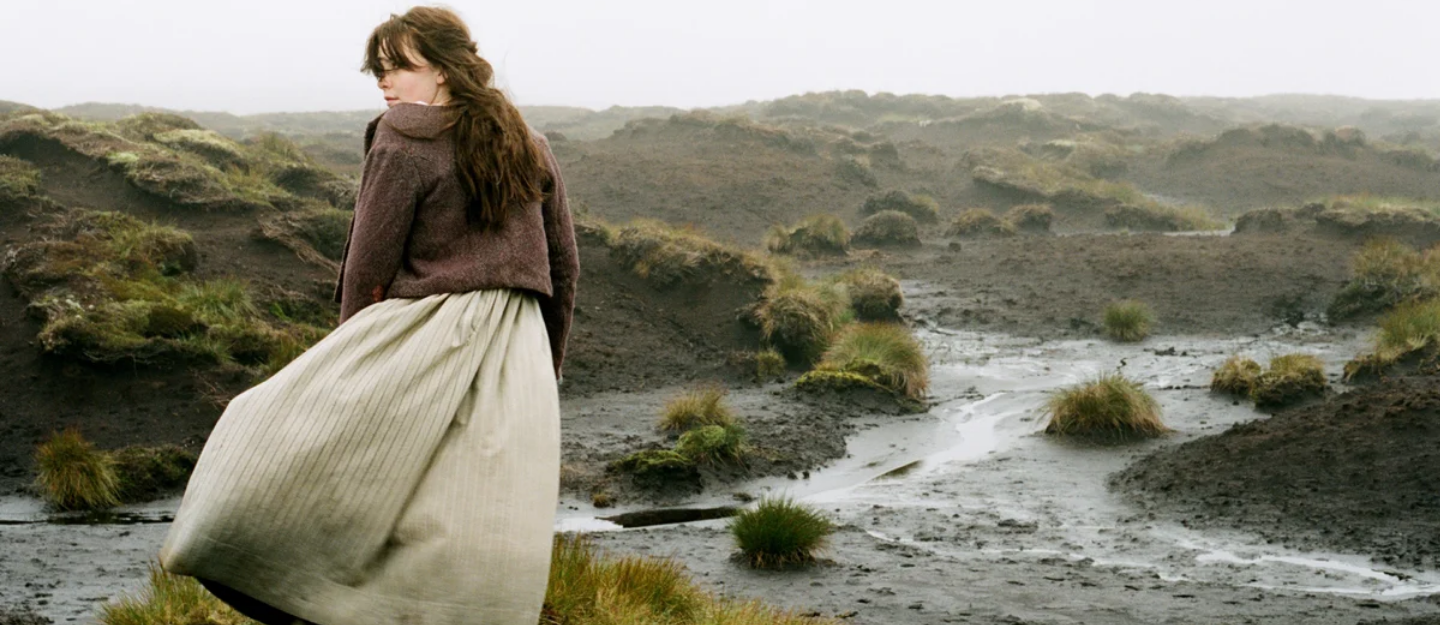
Few novels have carved their emotional signature as deeply into literature and culture as Wuthering Heights. First published in 1847, Emily Brontë’s only novel remains one of the most haunting, intense, and psychologically complex works in the canon. But what’s more remarkable is its lasting impact. Generation after generation returns to this story of obsession, identity, and destructive love-finding in its pages reflections of modern relationships, modern fears, and modern emotional landscapes.
Nowadays, Wuthering Heights does not only live in classrooms or on dusty bookshelves; its themes ripple through films, music, and television dramas, even down to character-building in popular shows like Grey’s Anatomy. The novel’s turbulent romance, psychological realism, and bold narrative structure make it surprisingly aligned with what contemporary audiences crave.
The Timeless Pull of Dark, Complicated Love
Romantic novels often rely on conflict, but Wuthering Heights far exceeds the usual tale of cross lovers. The affair between Heathcliff and Catherine is raw and all-consuming, at times destructive, and yet undeniably appealing. Their love is not meant to charm. It’s meant to feel like a storm-unpredictable and emotional, impossible to escape.
This is the kind of messy emotional terrain that modern audiences love. Popular media today loves messy relationships, morally ambiguous characters, and emotional whirlpools. Whether it is a deeply flawed surgeon on Grey’s Anatomy, a conflicted antihero in some streaming drama, or the tortured protagonist of some bestselling YA novel, the pull remains the same: imperfect people who love imperfectly.
Antiheroes Before Antiheroes Were Popular
Heathcliff is one of literature’s first and most iconic antiheroes. He is emotionally wounded, vengeful, obsessive, and unpredictable. And yet, he is unforgettable. Brontë created a character that makes one feel the coexistence of contradictory sentiments: sympathetic and frustrated, admiring and fearing, attracted and repelled. This is the new normal in modern storytelling.
Characters such as these power some of today’s most popular series. That is why people tune in to see complex characters like Grey’s Anatomy-in which flawed heroes wrestle with trauma, ambition, loneliness, and desire. Audiences want characters that can feel human-even when they sometimes make horrible choices.
Emotional Trauma and Psychological Depth
Perhaps one of the most striking things about Wuthering Heights is its investigation into trauma. Well before trauma theory as such existed, Brontë grasped how injuries in childhood shape adult lives. Heathcliff’s abandonment, mistreatment, and identity struggles influence every action he takes.
Catherine, too, fights her internal conflicts shaped by class expectations, self-identity, and the fear of losing her place in society. Modern audiences recognize these psychological patterns immediately. The novel feels modern because it captures well how trauma, love, and identity are interwoven. Current shows explore, time and again, how unresolved emotional wounds influence relationships, career paths, and personal choices.
A Bold Narrative Structure That Feels Modern
The multiple stories within one story, represented in Wuthering Heights through multiple narrators, were unprecedented at the time it was published. These days, narratives jump across timelines, perspectives, and even generations. Modern audiences like nonlinear storytelling because such a style allows them to have mystery, emotional contrast, and thematic depth.
This structure enables the readers to experience the novel like a puzzle, slowly coming together with motivations, secrets, and consequences. It shares similarities with many contemporary dramas, which also involve complex storytelling-slowly unfolding backstory deepens emotional stakes over time.
Themes That Haven’t Aged
Though Wuthering Heights emerged within the Victorian era, its themes are universal and timeless. Today’s audiences still resonate with:
Identity and Self-Worth
Heathcliff’s struggles with belonging, class, and self-perception are struggles many audiences find translatable to modern internal battles. Feeling like an outsider-whatever the surroundings-remains a powerful experience that audiences understand deeply.
Jealousy and Obsession
Emotional turbulence is reflected by envy, longing, and possessiveness in narratives of popular modern culture. These emotions work because they uncover very tender parts of the human psyche.
The Fear of Loss
Catherine’s dilemma–love, security, and social expectation–echoes choices still being made today. People continue to navigate the tension between what they want and what the world tells them they should want.
Revenge and Redemption
Heathcliff’s revenge articulates feelings many understand, even if they would not act upon them. A desire for justice, closure, or some kind of emotional payoff still inspires countless modern narratives. These abiding themes make the novel never feel thoroughly remote from present realities.
The Influence on Modern Television: Grey’s Anatomy
While Wuthering Heights may not be directly referenced in Grey’s Anatomy, parallels can easily be made. The emotional tone of the show, filled with intense relationships, moral complexity, and dramatic psychological journeys, echoes the spirit of Brontë’s storytelling.
Both works treat topics such as:
- Complicated love triangles
- Unresolved trauma that shapes adulthood
- Characters who self-destruct in the name of love
- Intergenerational emotional patterns
- Passionate relationships that blur lines between love and dysfunction.
For many of its viewers, Grey’s Anatomy appeals to that same emotional profundity that makes Wuthering Heights such an ageless classic. Brontë’s storytelling DNA shows up in the emotional architecture of today’s character-driven dramas.
The Novel’s Place in Music, Film, and Popular Imagination
Beyond television, Wuthering Heights has inspired musicians, filmmakers, writers, and other creatives down through the decades. Kate Bush’s hit single “Wuthering Heights” brought the tale into pop consciousness. Film adaptations reinterpret the novel’s emotional storm through different lenses: romantic, Gothic, psychological, or darkly poetic.
Themes from the novel appear in the following:
- Modern Gothic romances
- YA literature
- Character-driven dramas
- Emotionally intense film narratives
- Music inspired by tragic love and emotional turmoil
The novel thrives because its emotional resonance is adaptable. Each generation finds new meaning in its darkness and its devotion.
Why Young Readers Still Connect With It
Teen and young adult readers always relate to stories about identity, emotional chaos, and painful transformation. Wuthering Heights delivers all of these in a rather raw and authentic manner. Young readers today live in a culture that encourages emotional expression and self-reflection, themes at the heart of Brontë’s novel.
Stories of love which reshape-or shatter-identity remain deeply compelling. Even while the cultural norms change with time, the basic emotional truths at the heart of Wuthering Heights stay identical. This is the reason why the novel continues to appear on reading lists, discussions, and digital fandom spaces.
Why Wuthering Heights Will Never Fade Away
The power of Wuthering Heights lies in its refusal to give any easy answers. The novel does not tie up its narrative with nice moral lessons or easy resolutions but instead asks profound and pertinent questions about love, loyalty, trauma, identity, and emotional survival.
On a deeper level, it’s a novel about how people harm each other, about how people heal or fail to heal, and about how love can be transformational and also destructive. These are questions that every generation asks. That’s the reason Wuthering Heights remains relevant today, and will continue to echo through future generations of storytelling.
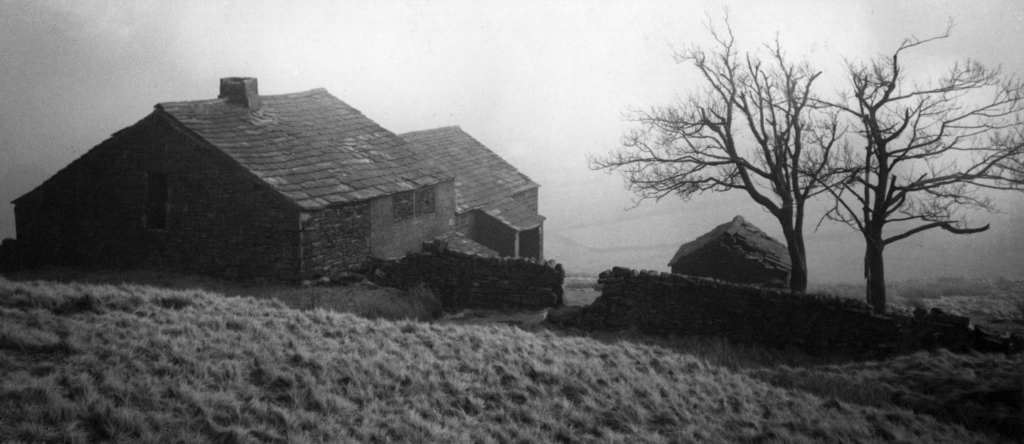
Final Thoughts
Such improbable endurance within modern pop culture attests to the emotional depth realized nowhere else. From the antiheroes that now rule the small screen to the emotionally packed drama of Grey’s Anatomy, to thematic ripples that resound in modern music and literature, Wuthering Heights is impossible to ignore.
It is a classic that lives because it speaks to the human soul—its beauty, its turmoil, its longing, and its contradictions. For as long as audiences want stories that challenge, unbalance, and stir them, Wuthering Heights will never be silenced.